
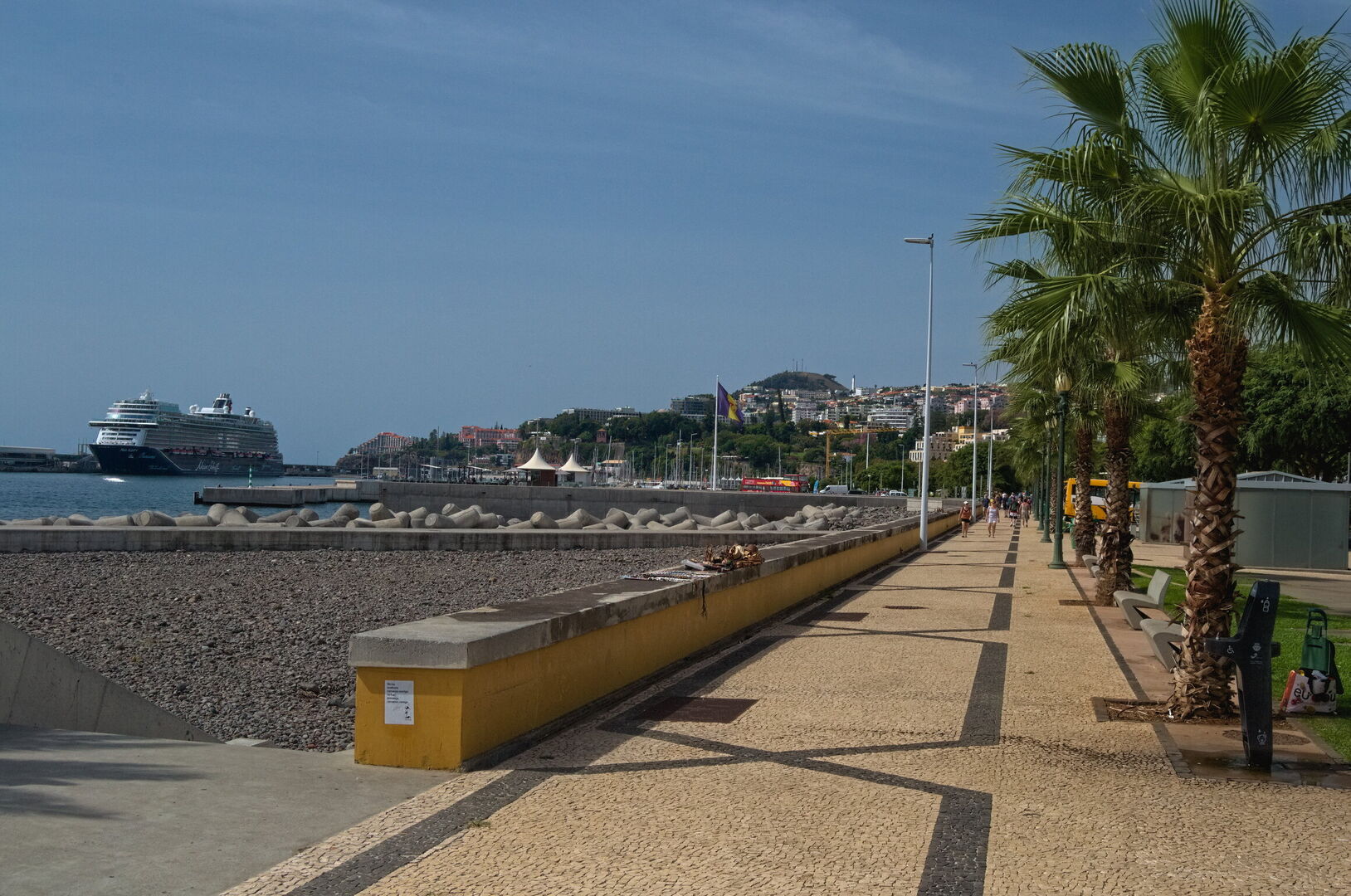

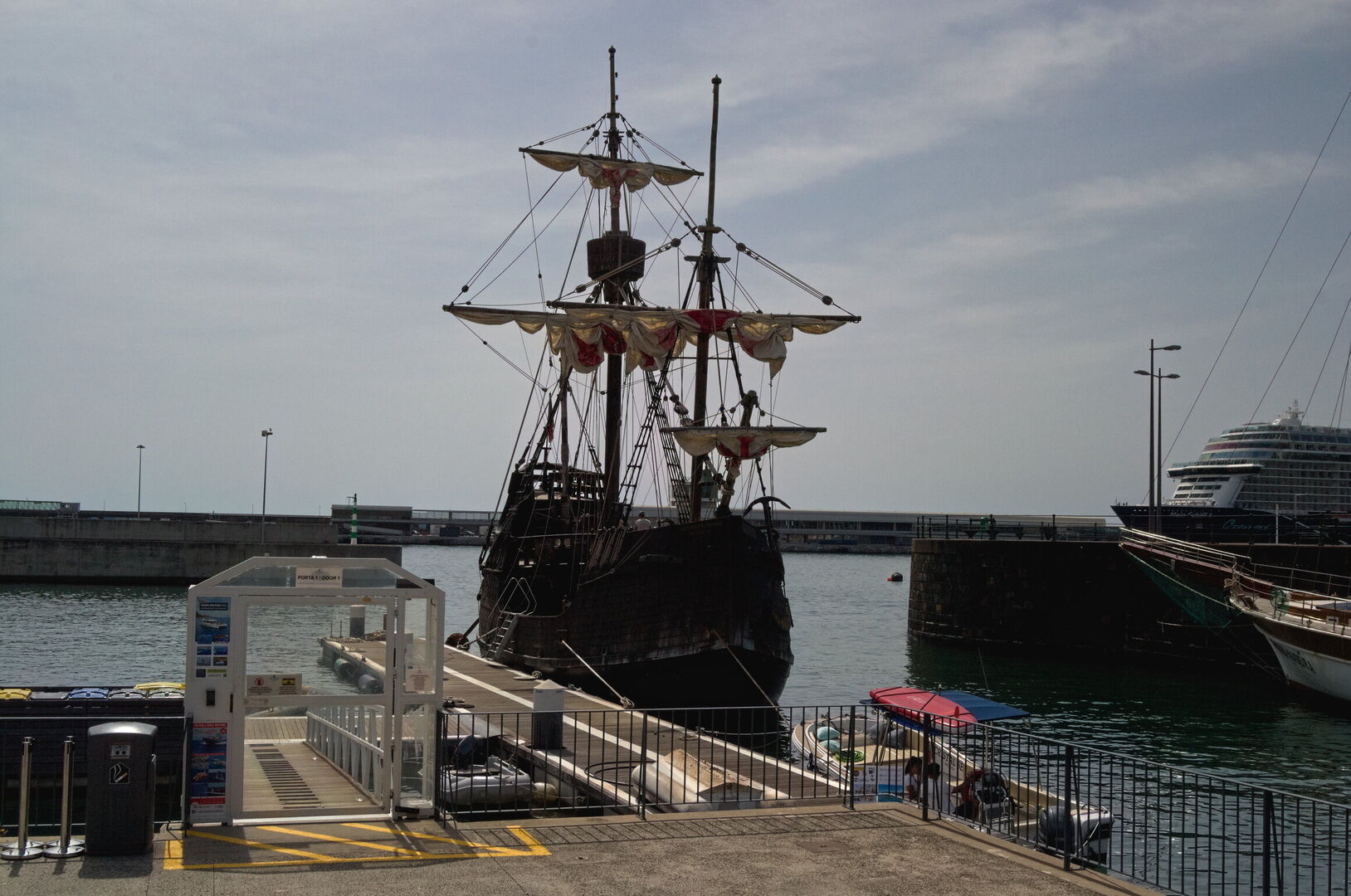


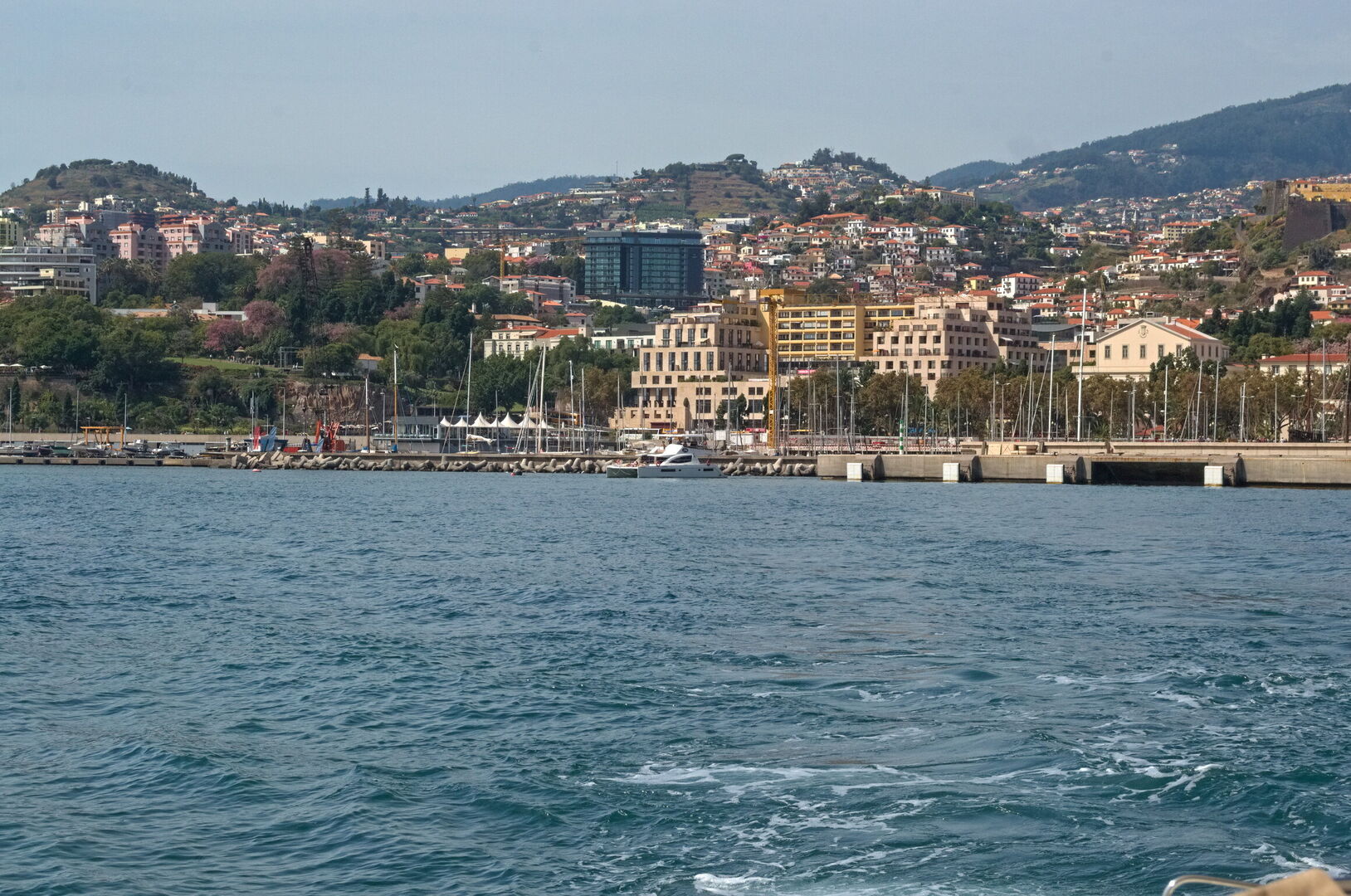
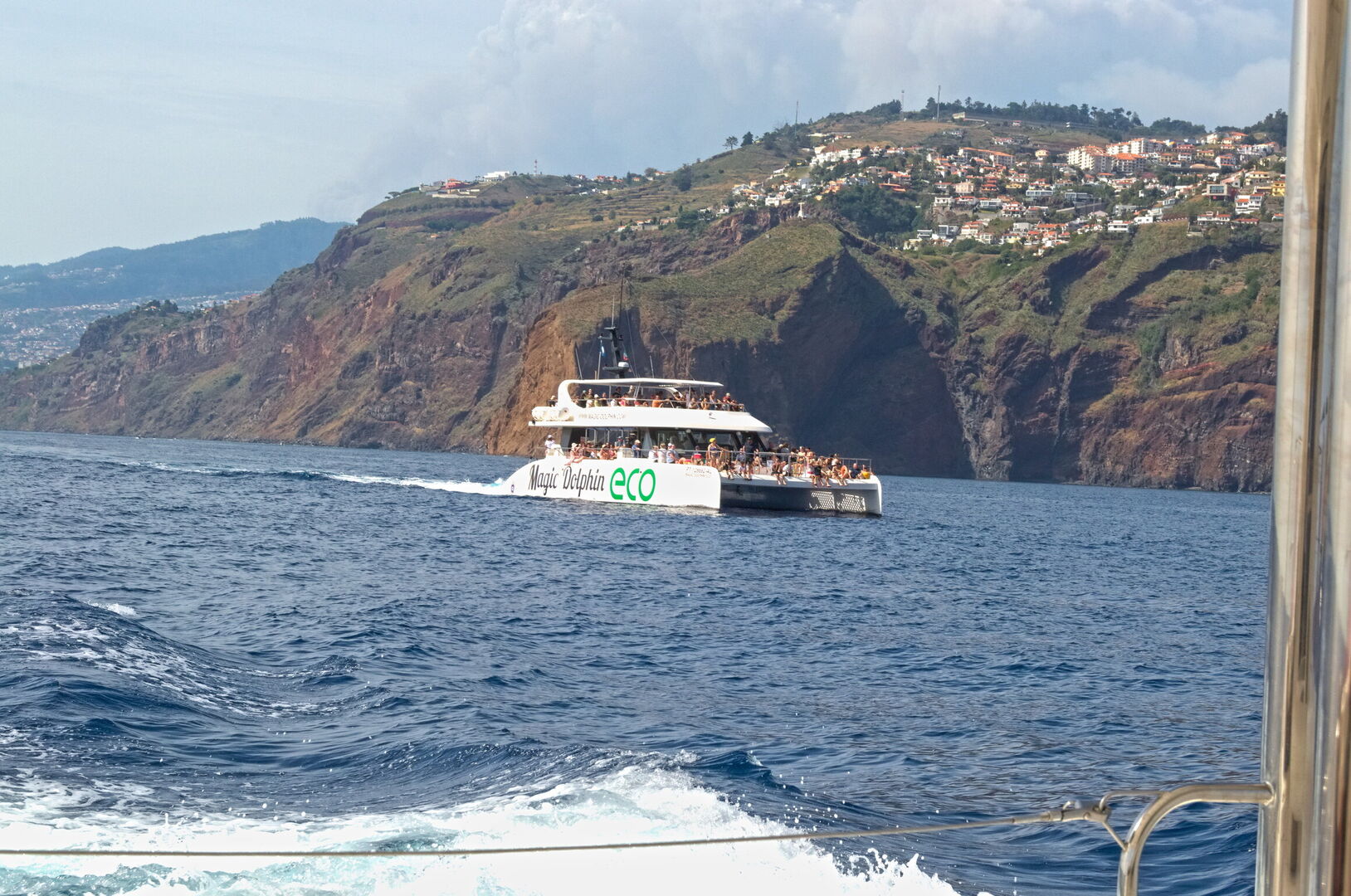
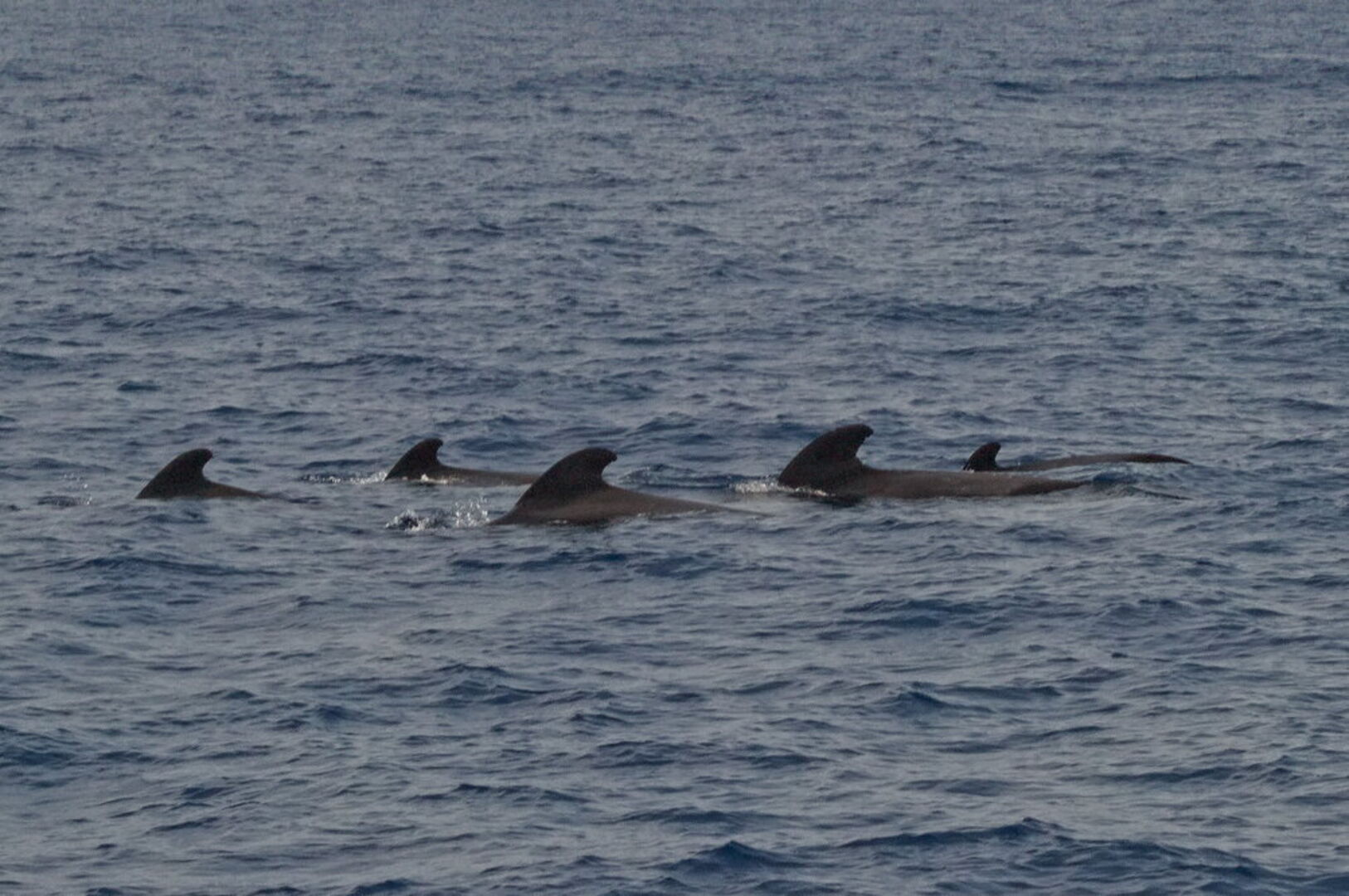
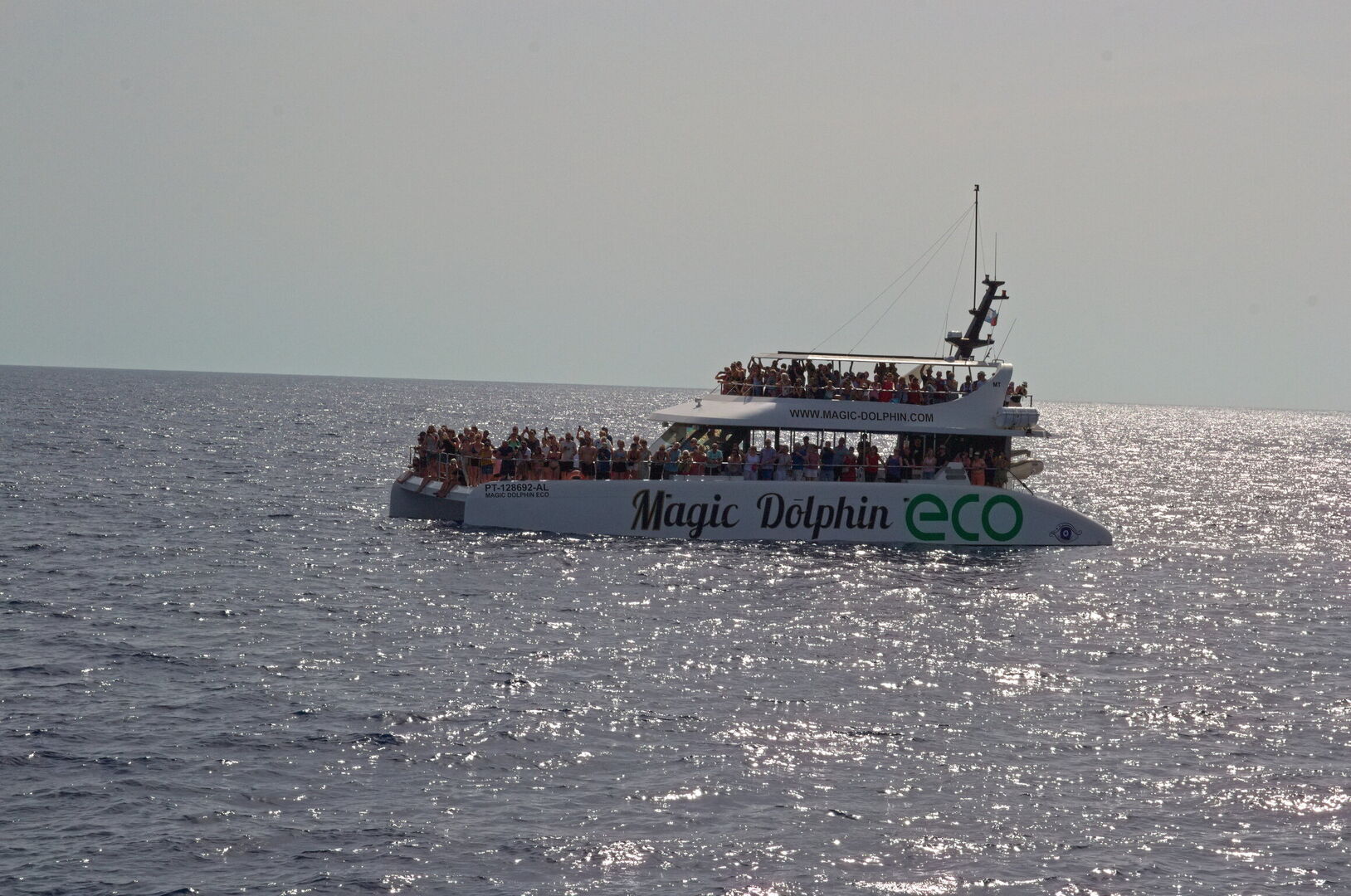
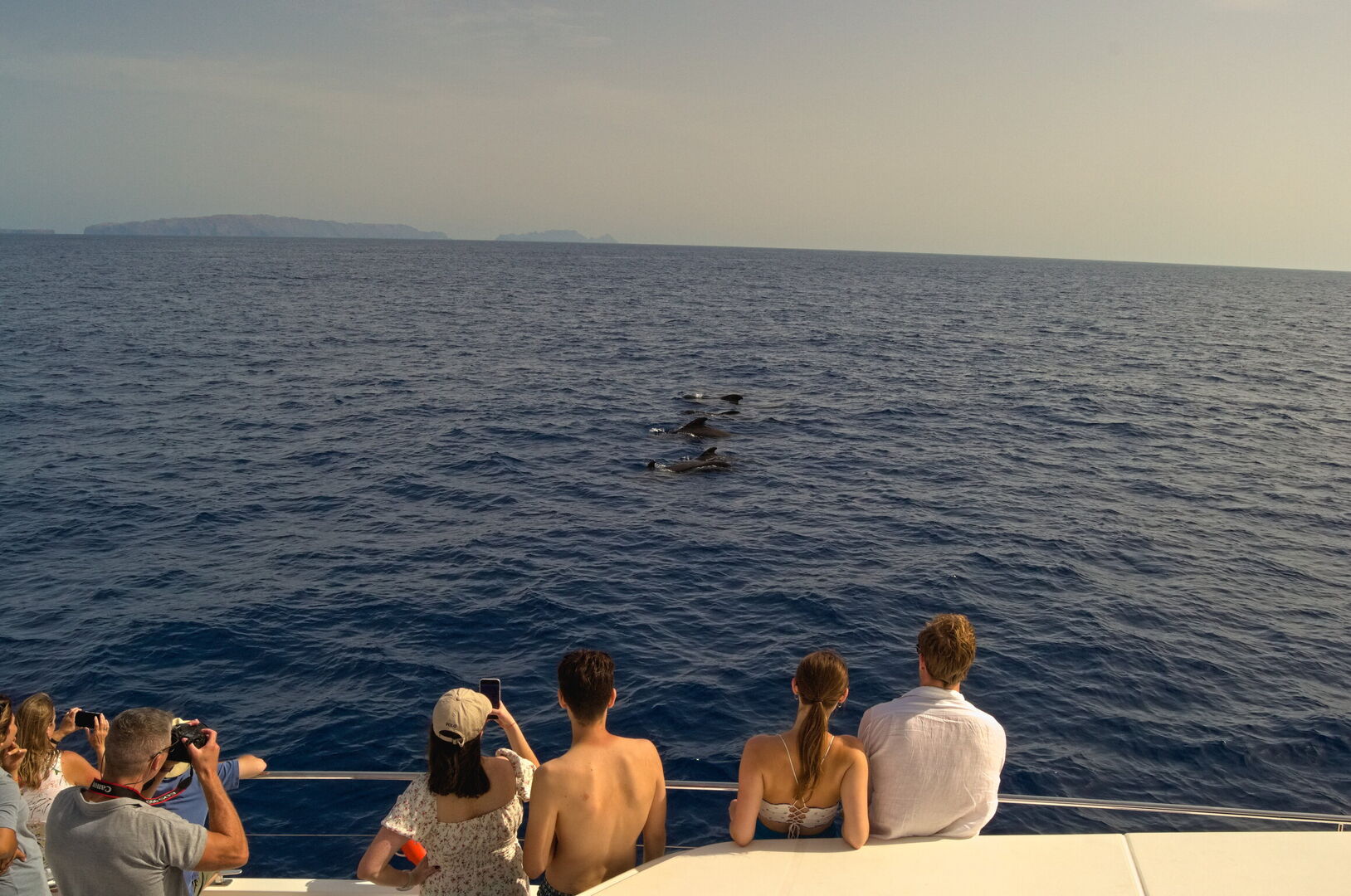
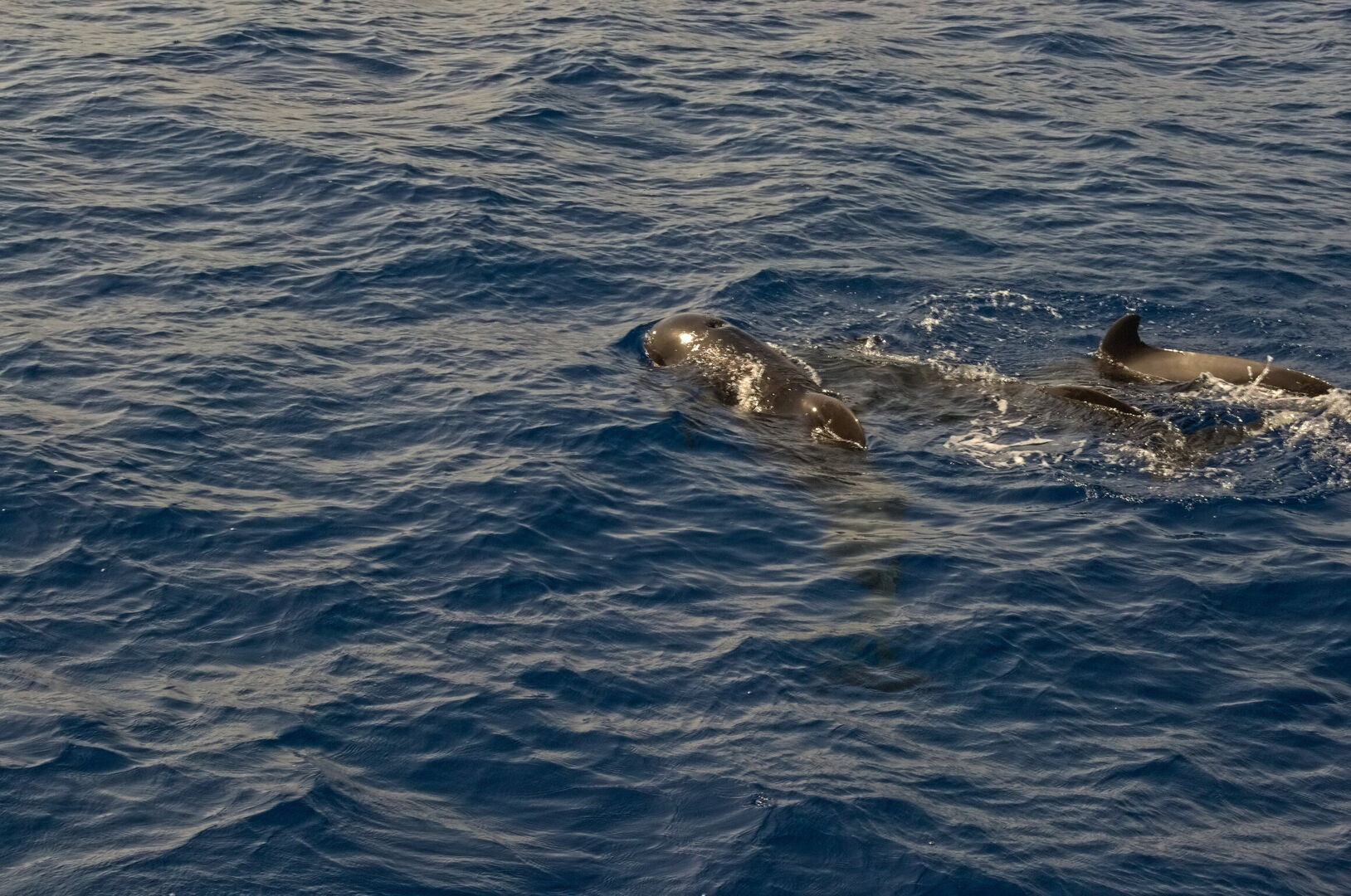
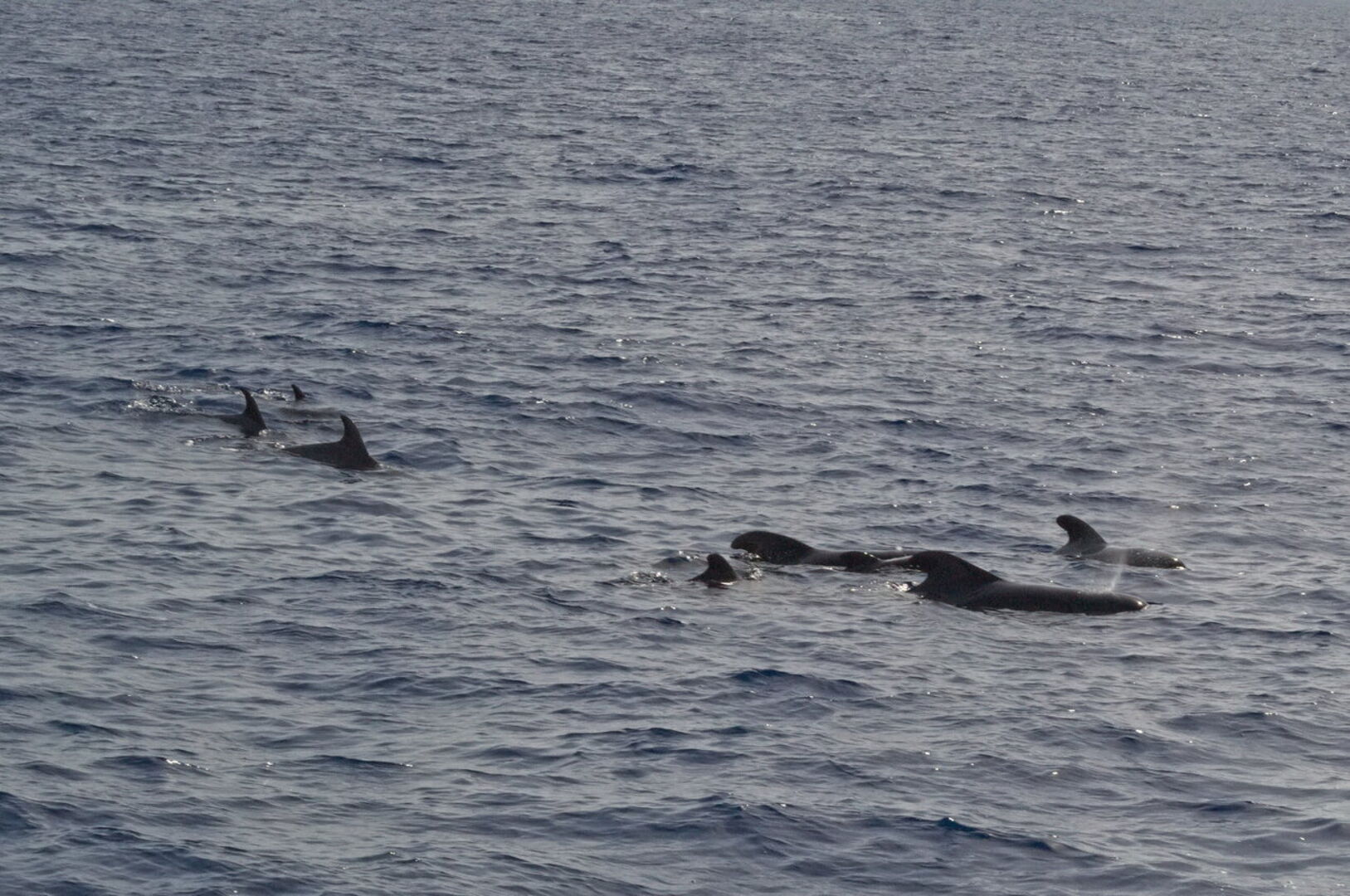
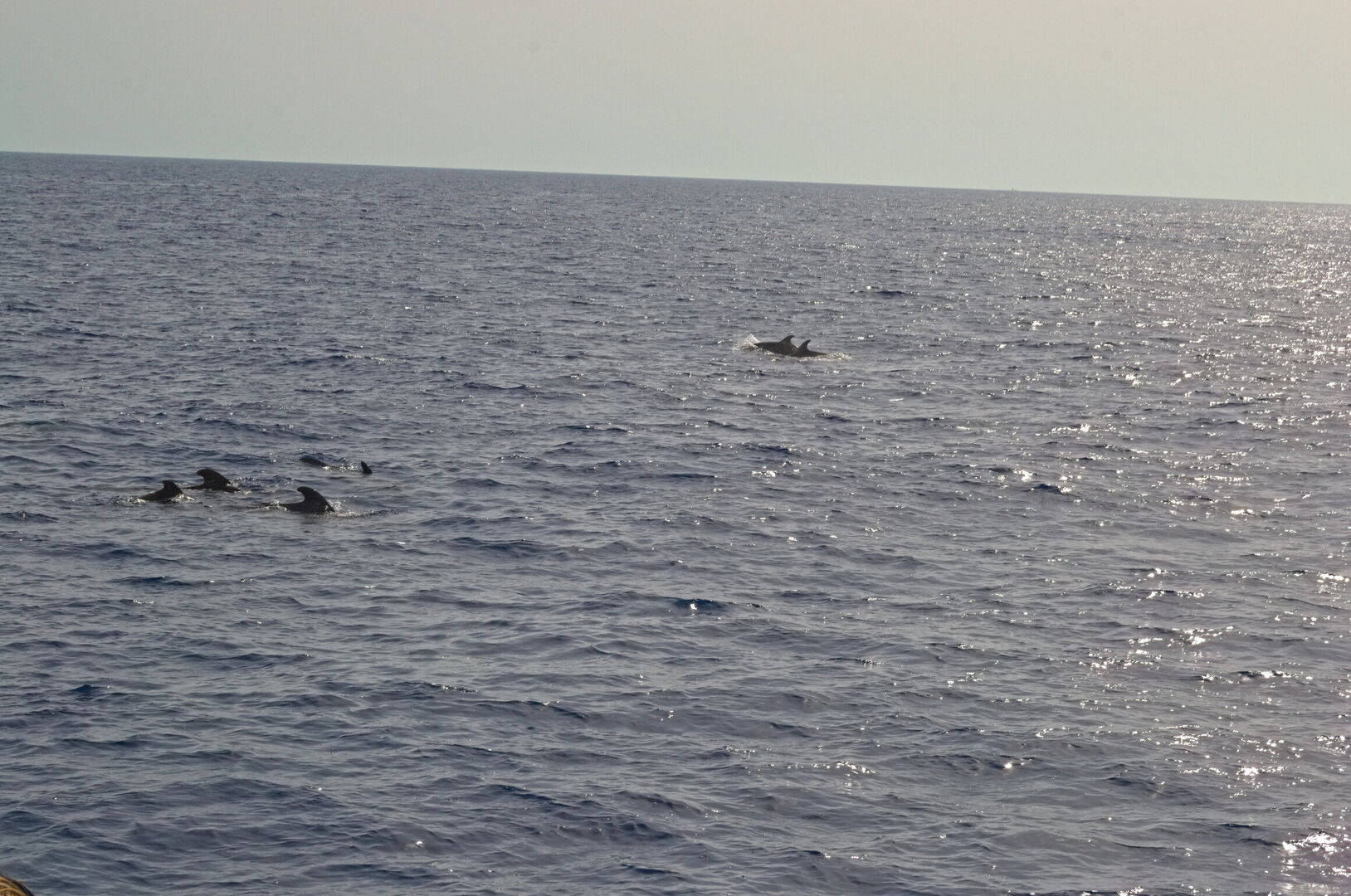
Catamaran cruises and whale watching are among the most popular ocean-based activities on Madeira, offering a close connection to the island’s marine environment. Departures typically take place from Funchal and nearby ports, where modern catamarans operate along the south coast and into deeper offshore waters. These excursions combine scenic coastal views with opportunities to observe marine wildlife in the Atlantic Ocean.
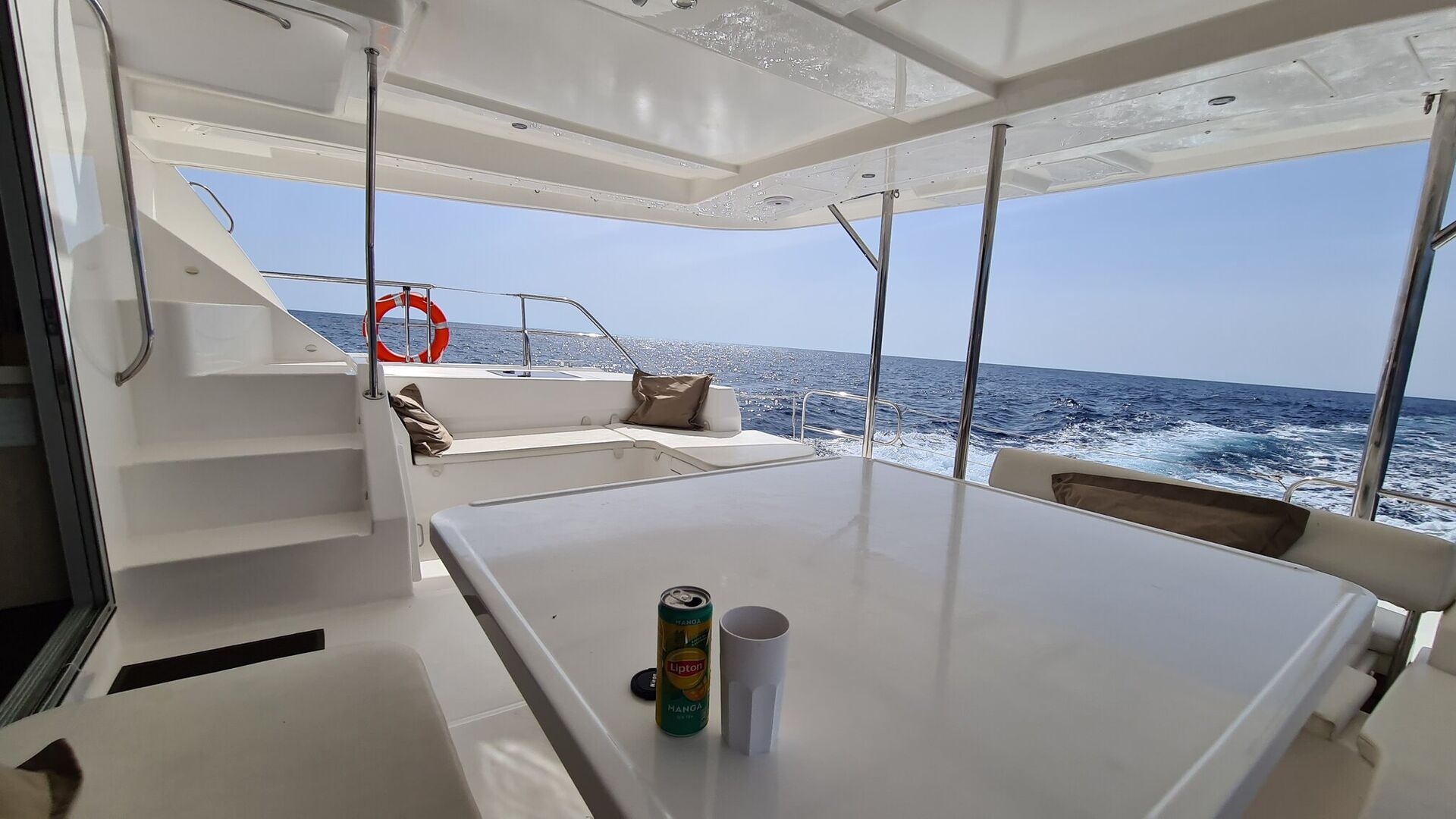
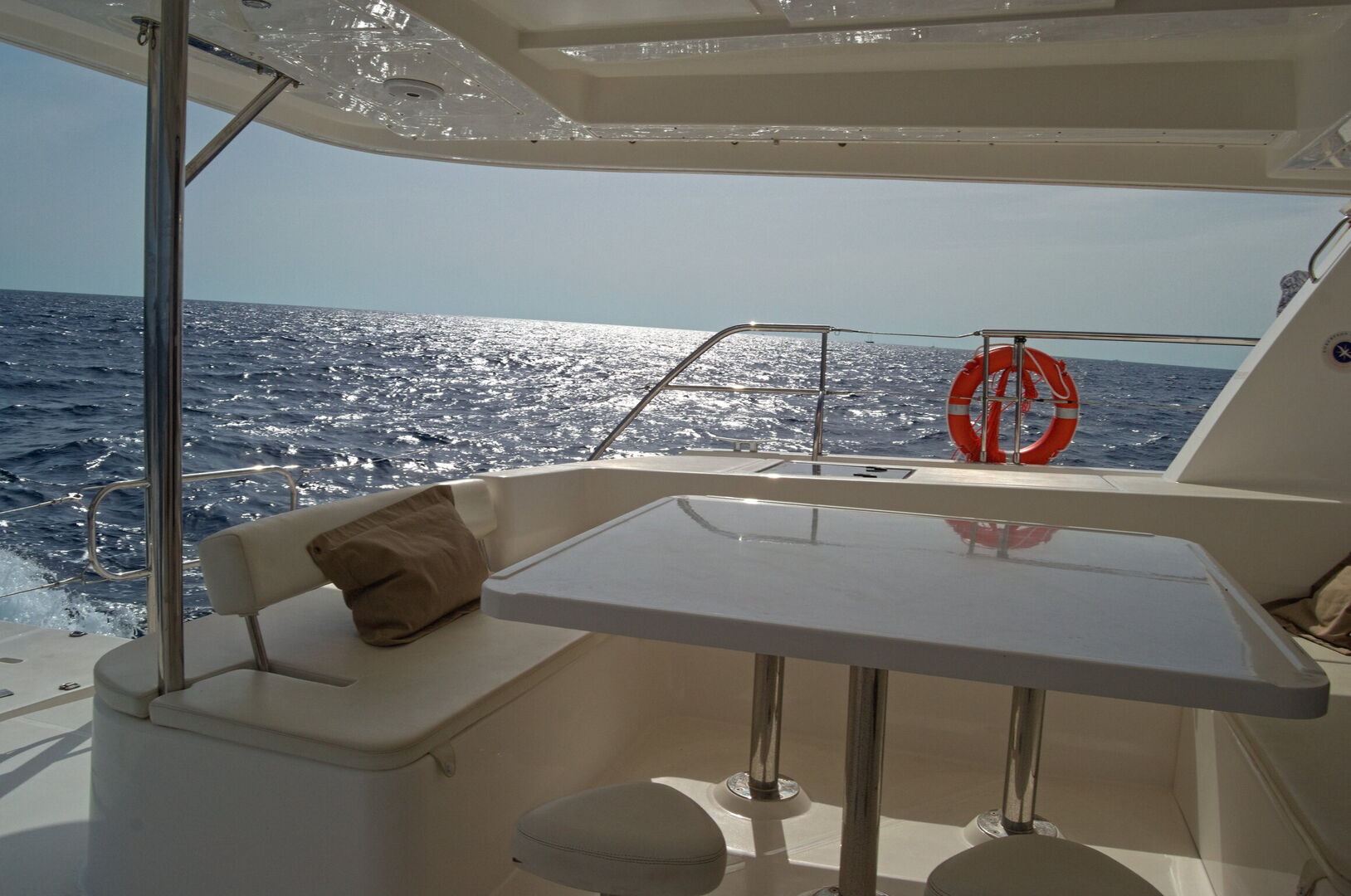
Catamarans are well suited to Madeira’s ocean conditions. Their twin-hull design provides stability, spacious decks, and unobstructed viewing areas, making them ideal platforms for wildlife observation. Most cruises are guided by experienced crews who include marine biologists or trained spotters, enhancing the educational aspect of the experience.
Whale watching on Madeira is possible year-round, with seasonal variations in species presence. The deep waters close to the island’s coast allow vessels to reach suitable habitats quickly, increasing the likelihood of sightings while keeping travel times relatively short.
History
Madeira’s relationship with the ocean has always been central to island life. Historically, the surrounding waters were used for fishing, transport, and trade, connecting the island to Europe, Africa, and the Americas. Marine knowledge developed over centuries through navigation, fishing practices, and observation of ocean conditions.
Modern whale watching emerged on Madeira in the late 20th century as awareness of marine conservation and eco-tourism grew. Rather than exploit marine resources, the focus shifted toward observation, education, and protection. The development of regulated whale watching helped position Madeira as a responsible destination for marine tourism.
Today, whale watching is conducted under guidelines that emphasize minimal disturbance to animals, controlled approach distances, and limited interaction time. These practices help ensure that the activity remains sustainable and respectful of marine ecosystems.
Marine Environment
The waters around Madeira are exceptionally deep, with underwater drop-offs occurring close to the coastline. This geological feature creates ideal conditions for a wide variety of marine species, including both resident and migratory whales and dolphins.
Warm and cold currents meet in the region, supporting a rich food chain that attracts marine mammals. As a result, Madeira is one of the best locations in Europe for consistent whale and dolphin sightings throughout the year.
Commonly observed species include several dolphin species as well as larger whales during migration periods. The clarity of the water and the open-ocean setting enhance visibility and overall viewing conditions.
Landscape from the Sea
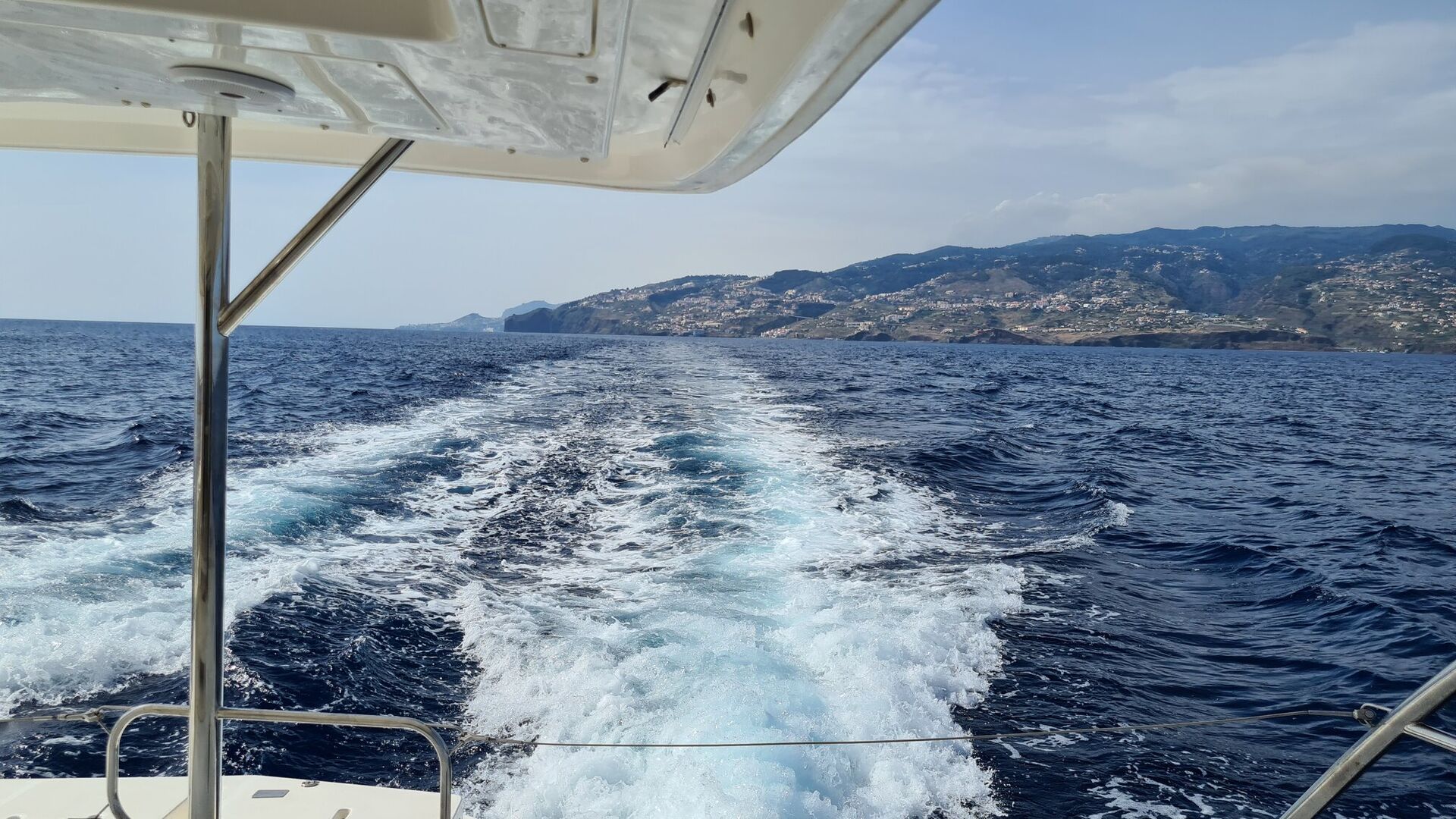
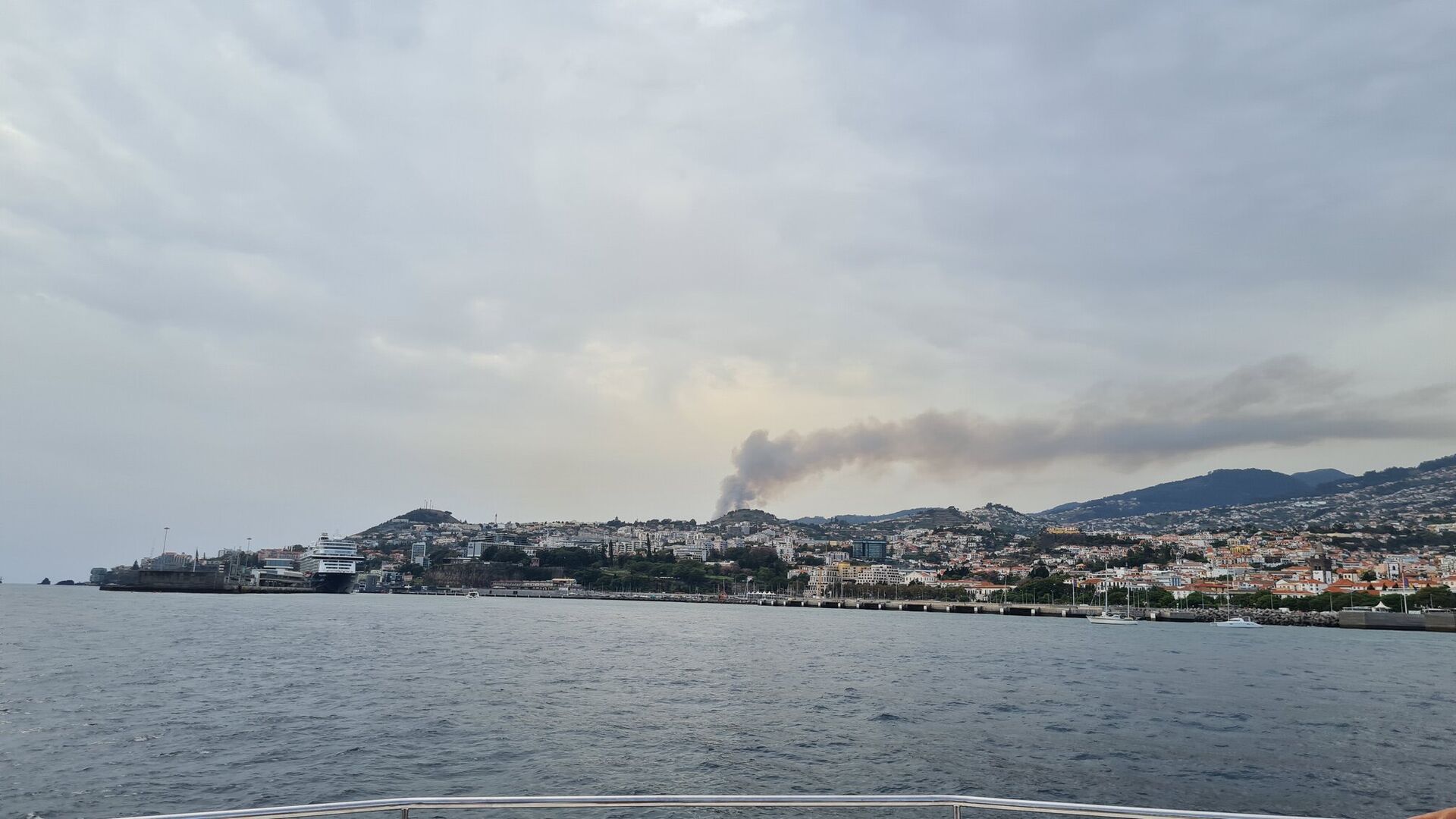
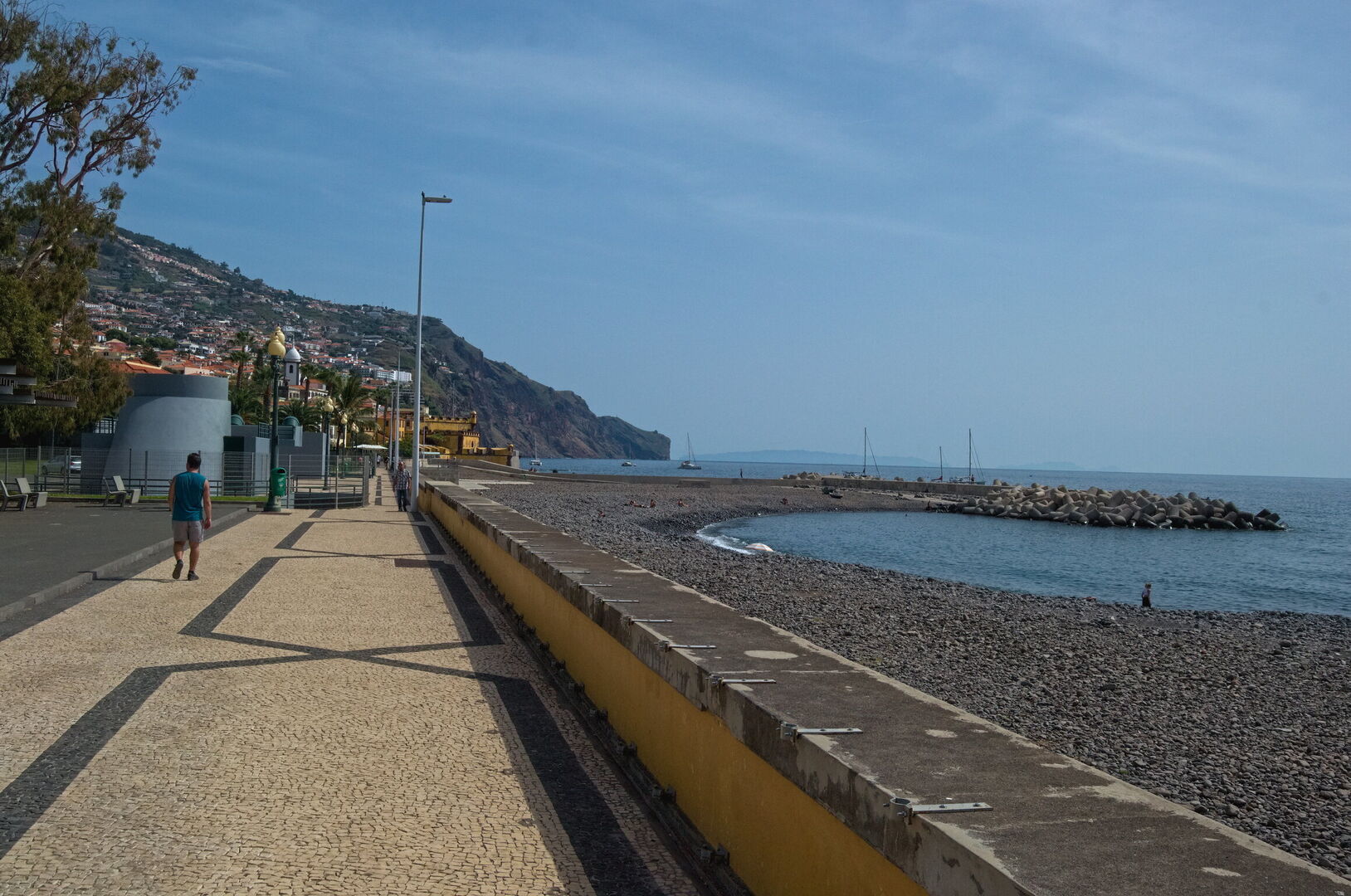
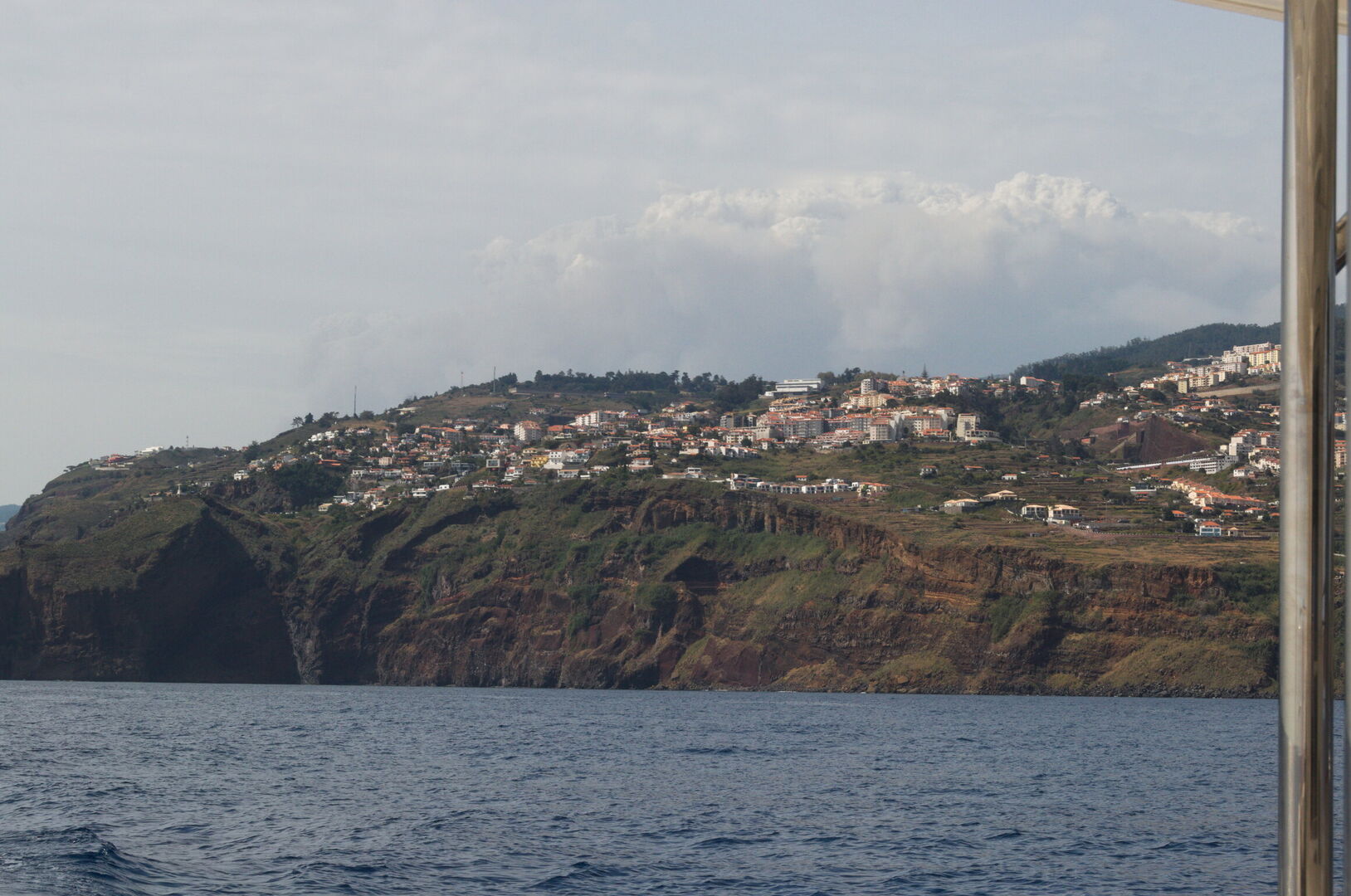
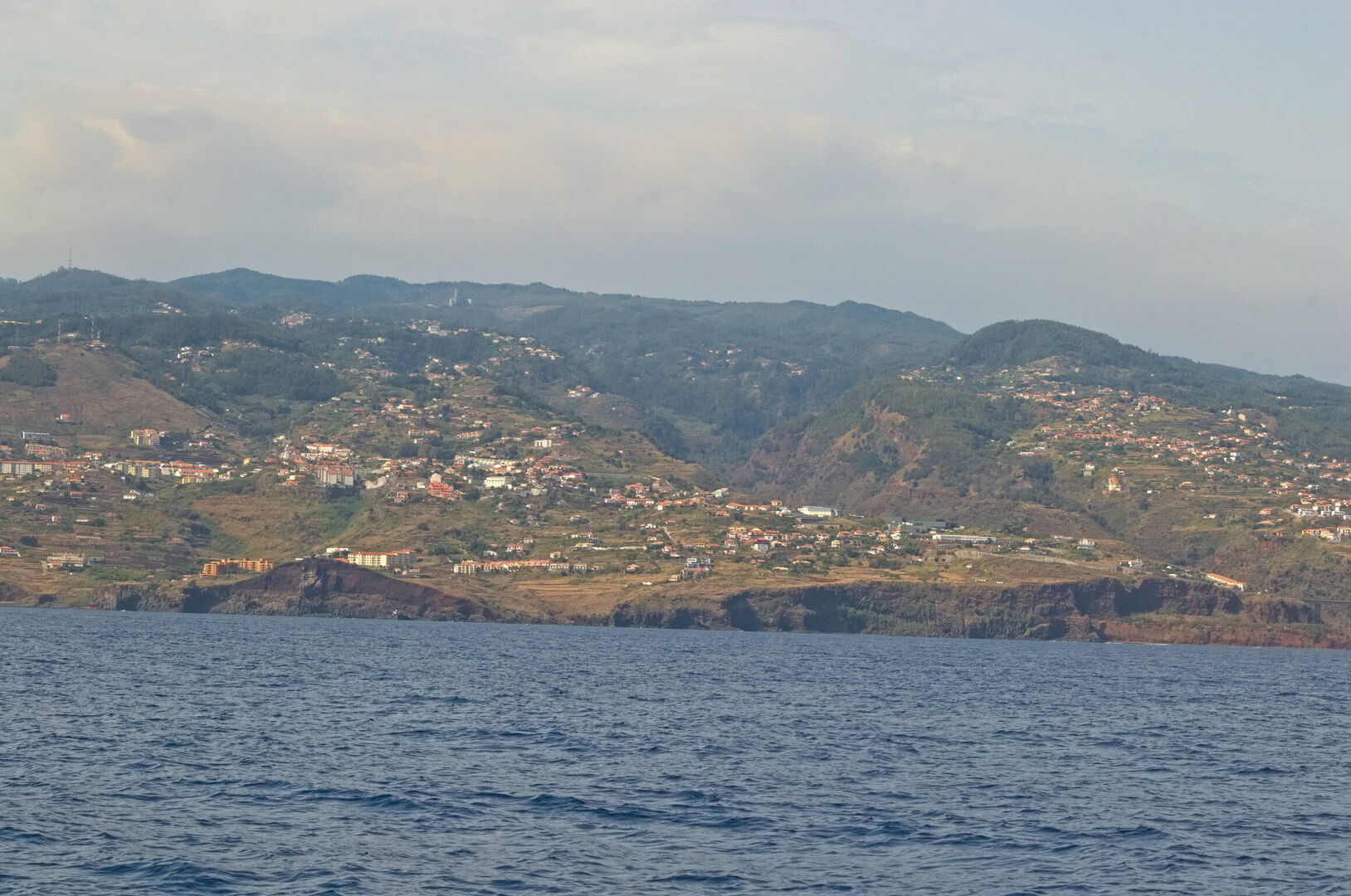
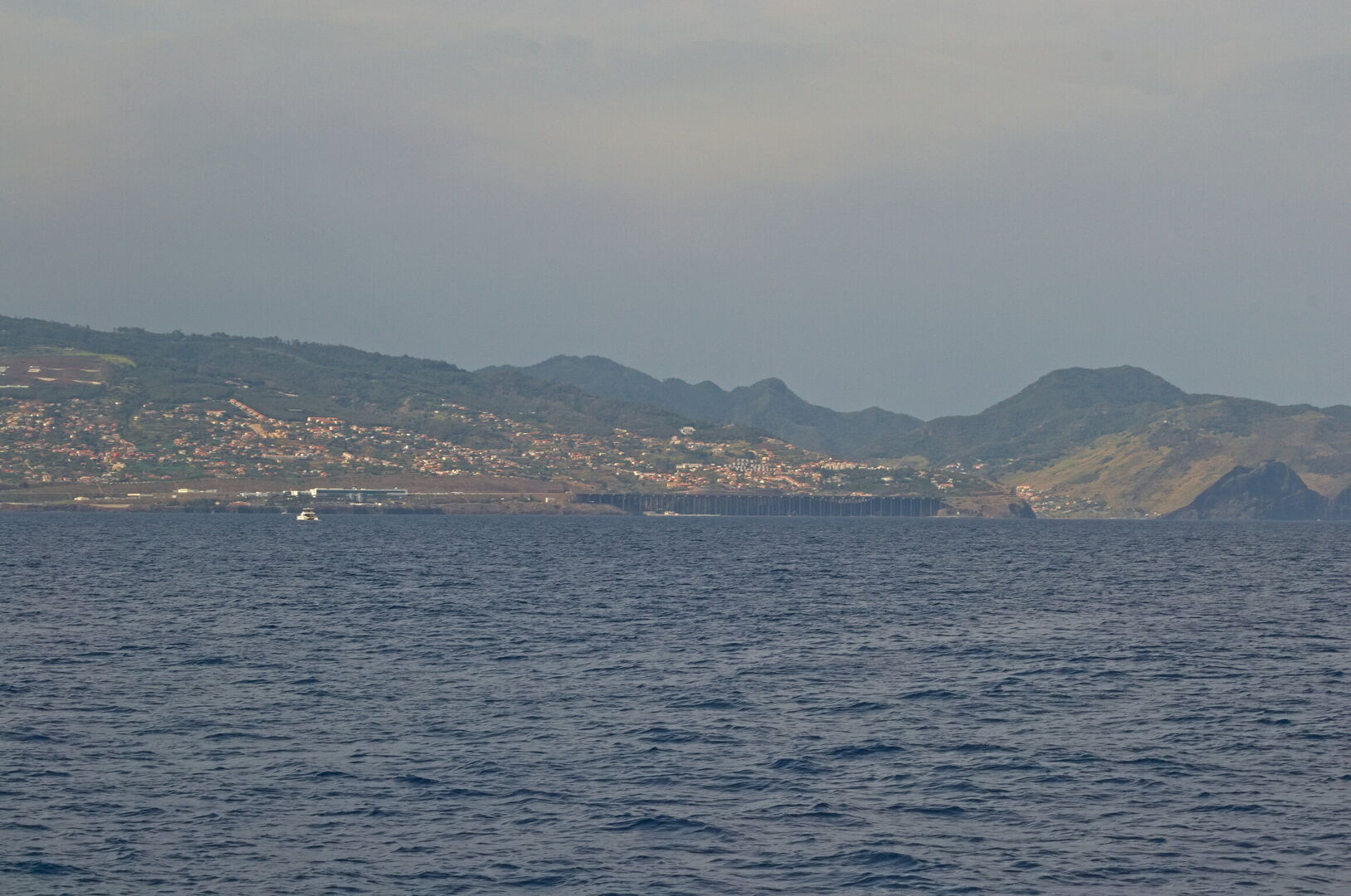
Catamaran cruises offer a unique perspective on Madeira’s landscape. From the ocean, the island’s steep cliffs, terraced slopes, and volcanic formations are especially striking. Coastal towns appear compact and layered, while valleys and ravines reveal the scale of erosion that shaped the island.
Sailing along the south coast provides views of rocky headlands, sea-facing cliffs, and occasional waterfalls descending toward the ocean. Light conditions change rapidly, creating dramatic contrasts between shadowed rock faces and sunlit slopes.
On clear days, the view back toward the island includes Madeira’s central mountain range rising behind the coast, reinforcing the dramatic relationship between land and sea.
Cruise Experience
A typical catamaran cruise lasts between two and three hours. Vessels travel offshore at a steady pace, guided by lookout teams that monitor marine activity from both land-based observation points and the vessel itself.
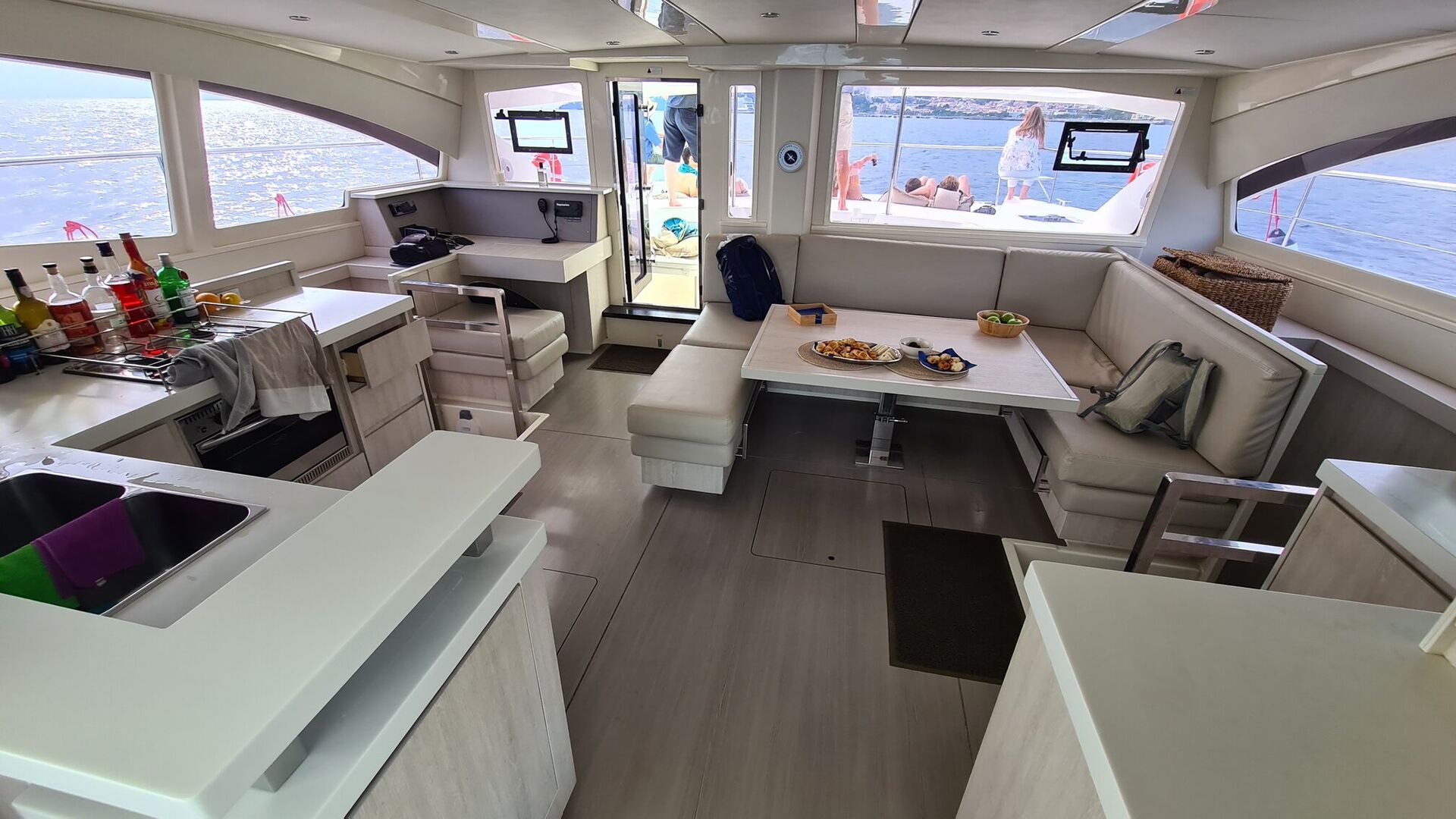
Passengers usually have access to shaded seating, open decks, and onboard facilities. Many cruises allow time for relaxation, photography, and simply observing the ocean environment, even when wildlife sightings are brief or distant.
Some cruises include stops for swimming in calm conditions, particularly during warmer months. These stops often take place near cliffs or sheltered coves, adding a recreational element to the wildlife experience.
Whale and Dolphin Observation
Whale watching on Madeira emphasizes respectful observation. Animals are approached slowly and at regulated distances, allowing natural behavior to continue undisturbed. Encounters can range from brief surface sightings to extended periods of dolphin swimming alongside the vessel.
Sightings vary depending on season, weather, and ocean conditions, and no cruise can guarantee encounters. However, Madeira’s location and marine environment provide consistently high success rates compared to many other destinations.
Educational commentary is often provided during the cruise, covering species behavior, migration patterns, and conservation issues. This aspect adds depth to the experience and encourages awareness of marine ecosystems.
Safety and Sustainability
Safety is a core component of catamaran operations on Madeira. Vessels meet maritime regulations, and crews are trained in emergency procedures and marine conditions.
Sustainability is equally important. Operators follow codes of conduct designed to protect marine life and reduce environmental impact. Many companies participate in research and monitoring programs, contributing data on species distribution and behavior.
Visitors are encouraged to choose licensed operators and to approach the experience with realistic expectations, understanding that wildlife encounters depend on natural conditions.