Australia has a human history extending back more than 60,000 years, shaped by Indigenous Aboriginal and Torres Strait Islander cultures. The land around modern Sydney was originally inhabited by the Gadigal people of the Eora Nation, who lived along the harbour and coastline, relying on fishing, hunting, and seasonal food sources.
European settlement began in 1788 with the arrival of the First Fleet at Port Jackson, now Sydney Harbour. Sydney developed from a small penal colony into the administrative and commercial center of the colony of New South Wales. Its harbour provided natural protection and access to maritime trade, shaping the city’s early growth.
During the 19th and 20th centuries, Sydney expanded rapidly through waves of migration, industrial development, and infrastructure investment. Today, the city reflects a layered history that includes Indigenous heritage, colonial foundations, and modern multicultural identity.
Geology and Landscape
Australia’s geology is among the oldest on Earth, with vast stable landmasses and ancient rock formations. In contrast, the landscape around Sydney is shaped by more recent geological processes, particularly erosion and sedimentation.
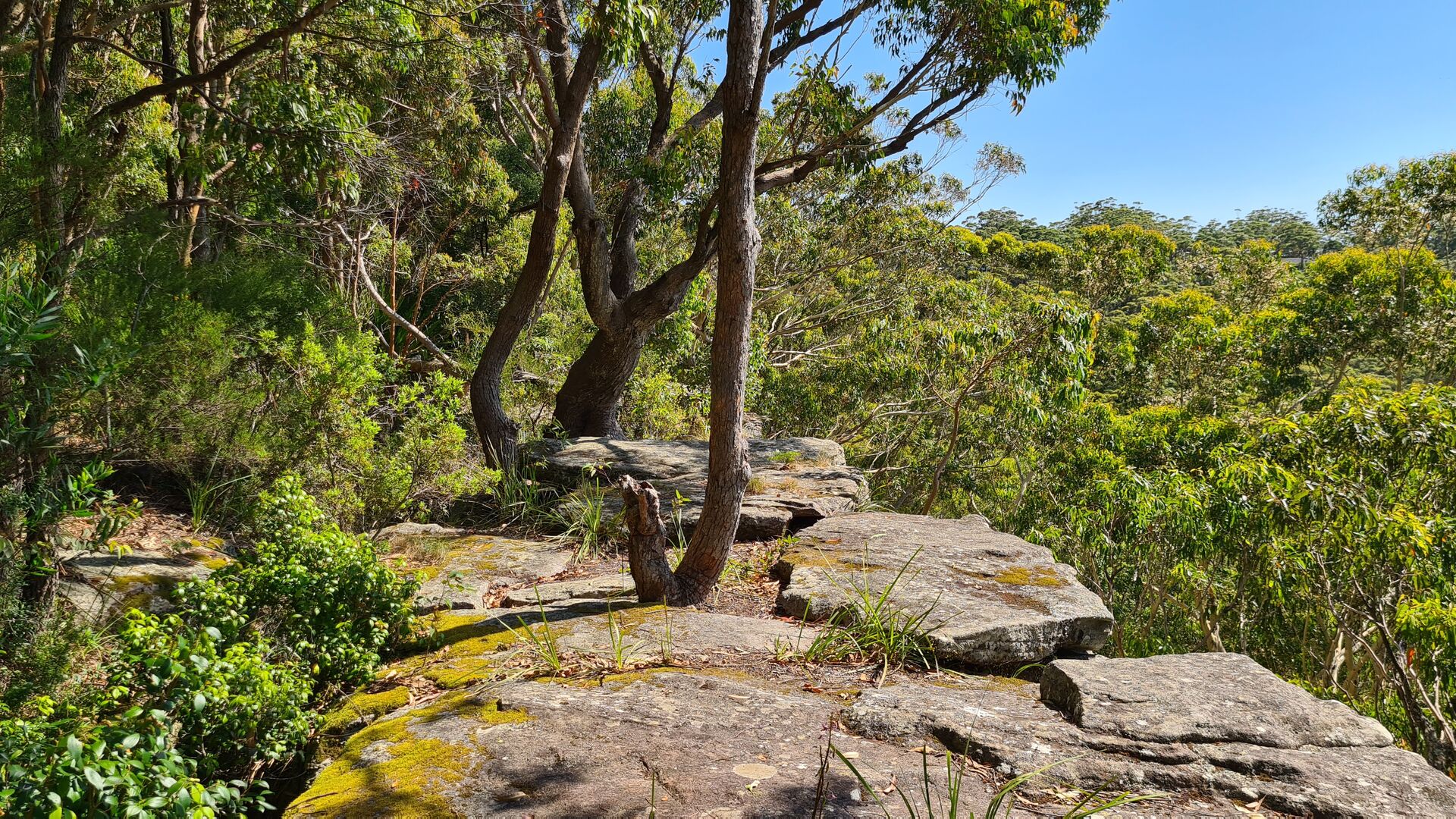
Sydney is built primarily on sandstone, forming cliffs, plateaus, and sheltered bays. This sandstone geology defines the city’s natural harbour, coastal headlands, and river valleys. Sydney Harbour itself is a drowned river valley created by rising sea levels after the last ice age.
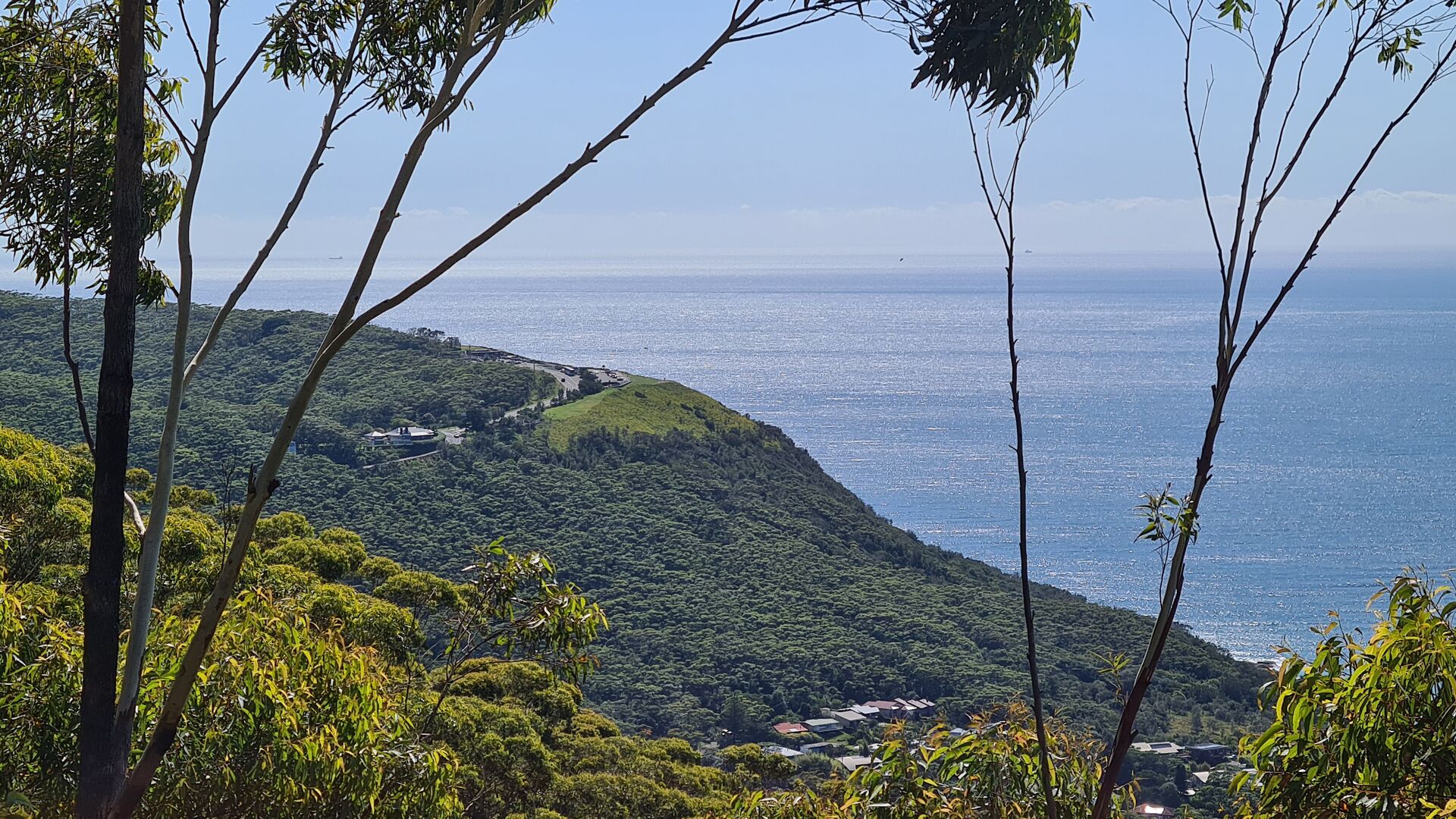
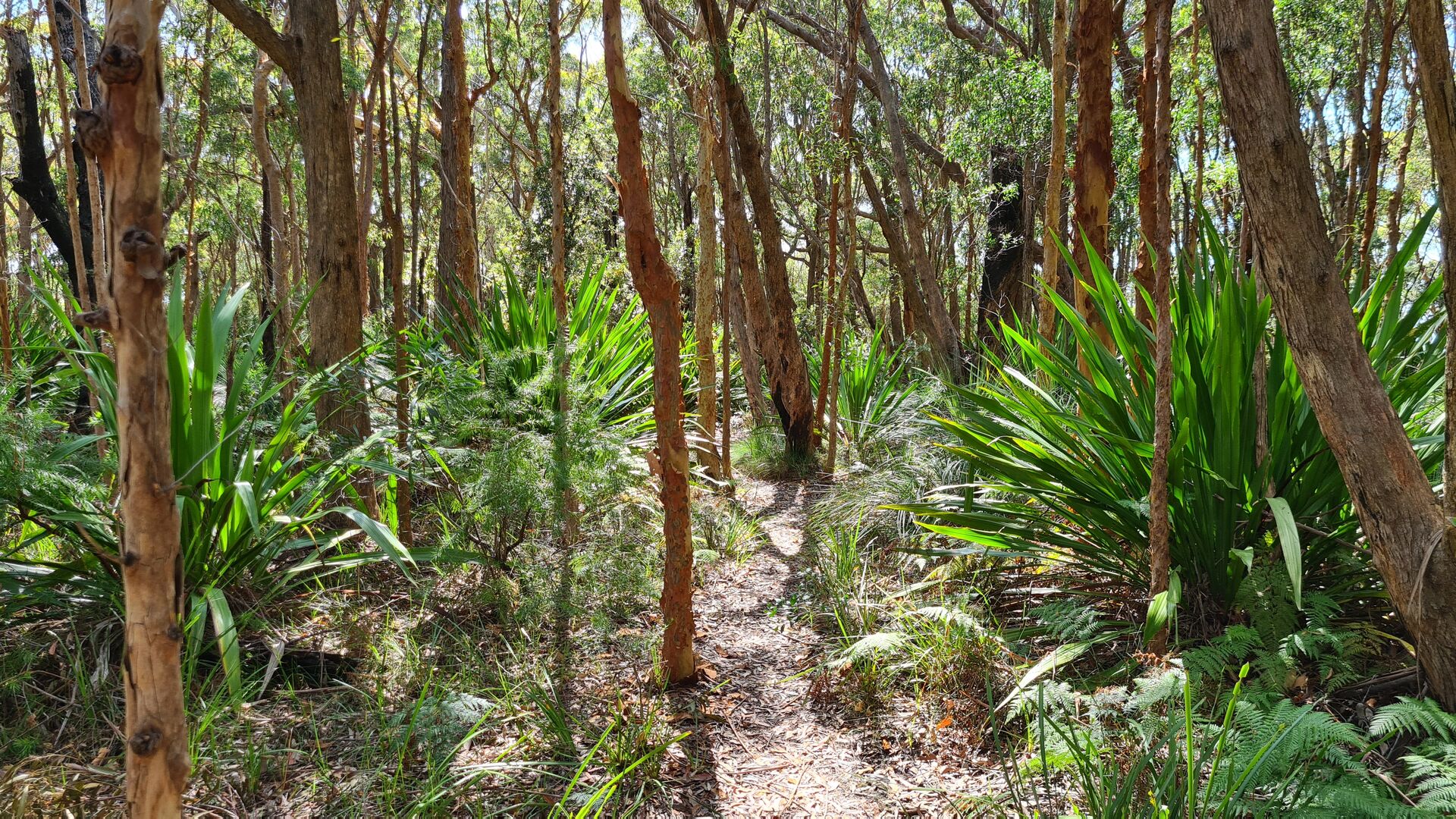
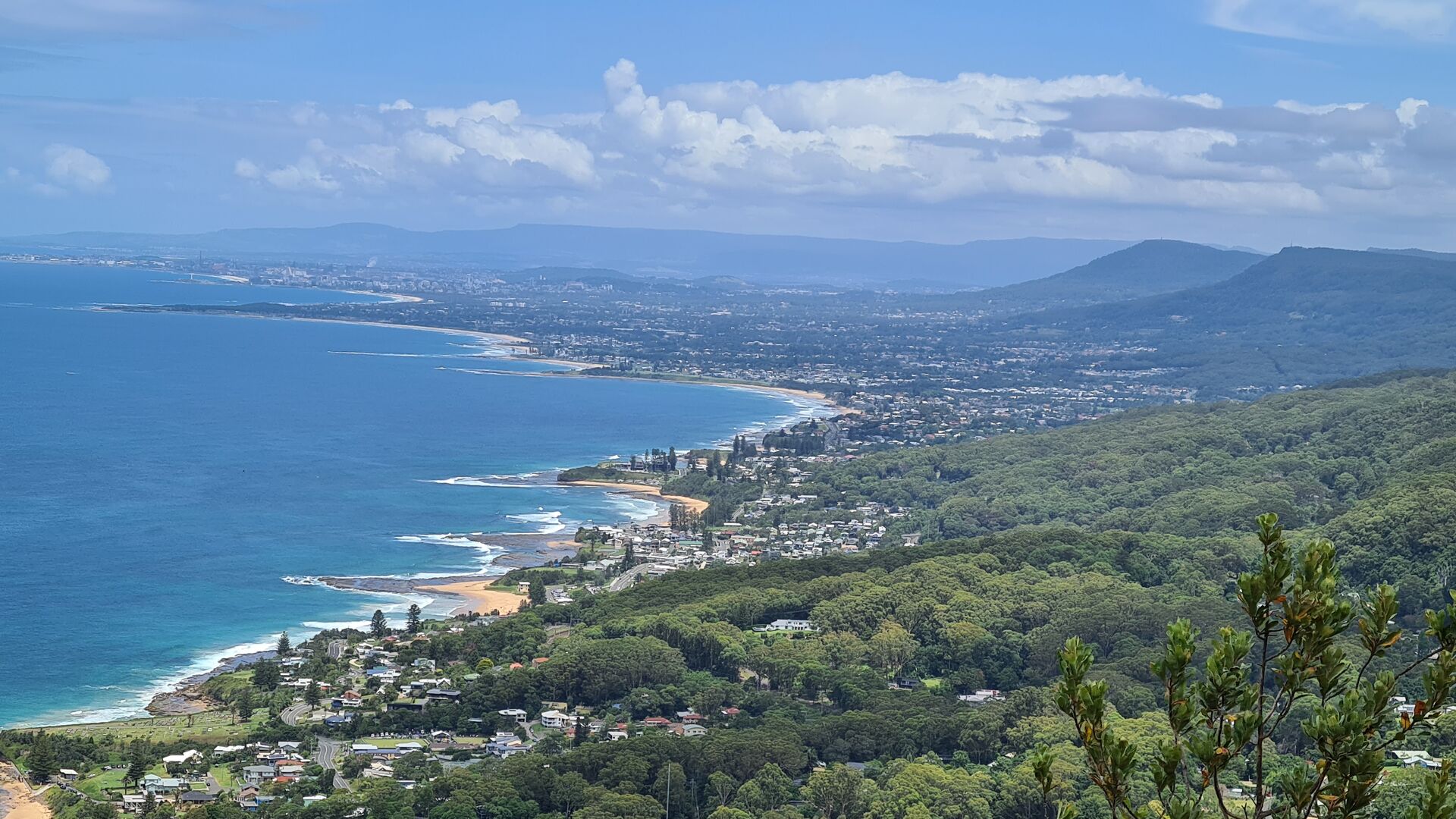
The surrounding region includes beaches, coastal cliffs, national parks, and river systems. Just west of the city lie the Blue Mountains, a dramatic sandstone plateau deeply cut by valleys and gorges, forming a natural boundary to Sydney’s expansion.
Sydney Harbour and Coastal Environment
Sydney Harbour is the defining feature of the city’s landscape. It includes hundreds of coves, inlets, and islands, creating one of the most complex and visually striking urban harbours in the world. The harbour supports commercial shipping, ferries, recreational boating, and coastal ecosystems.
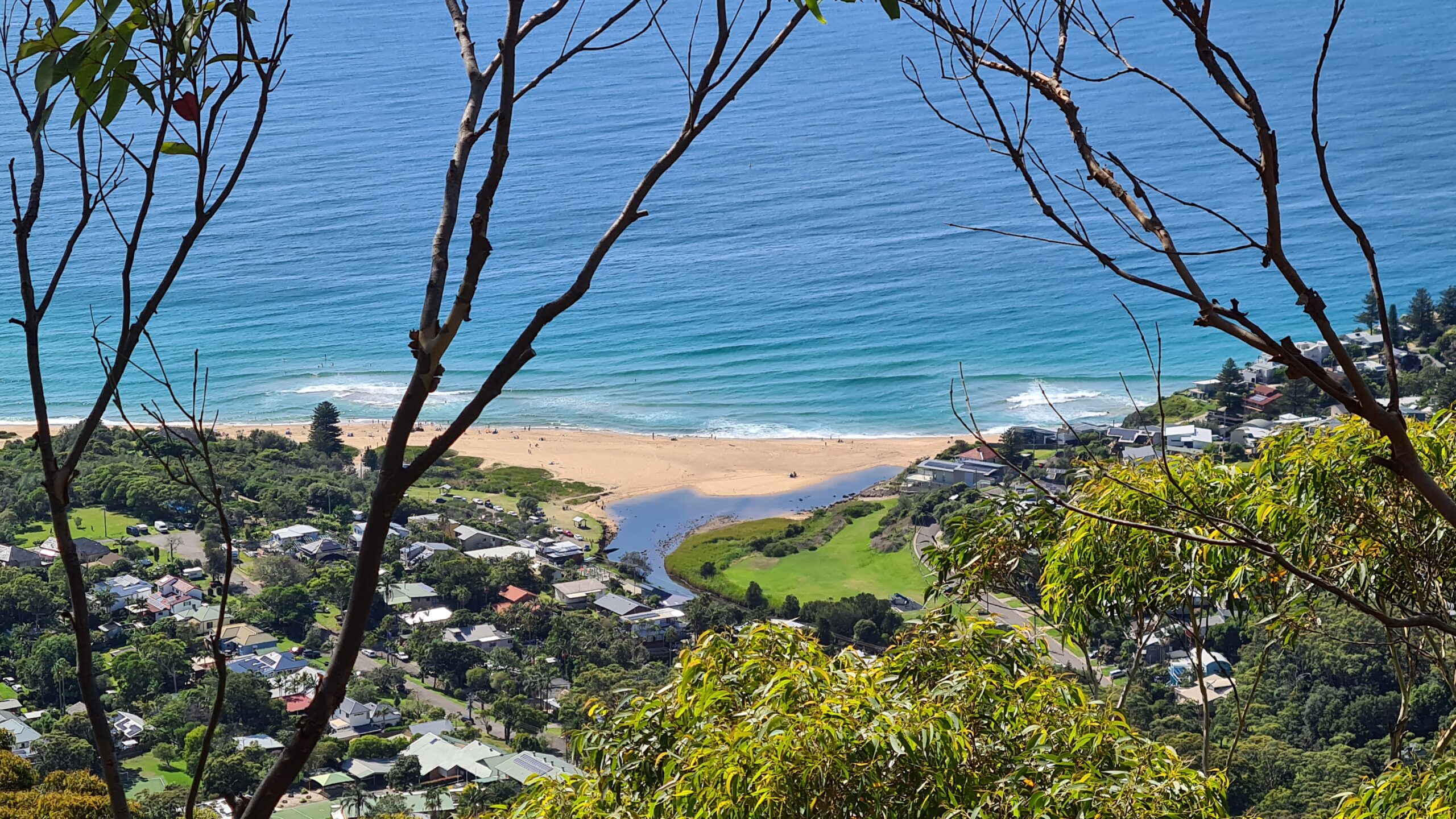
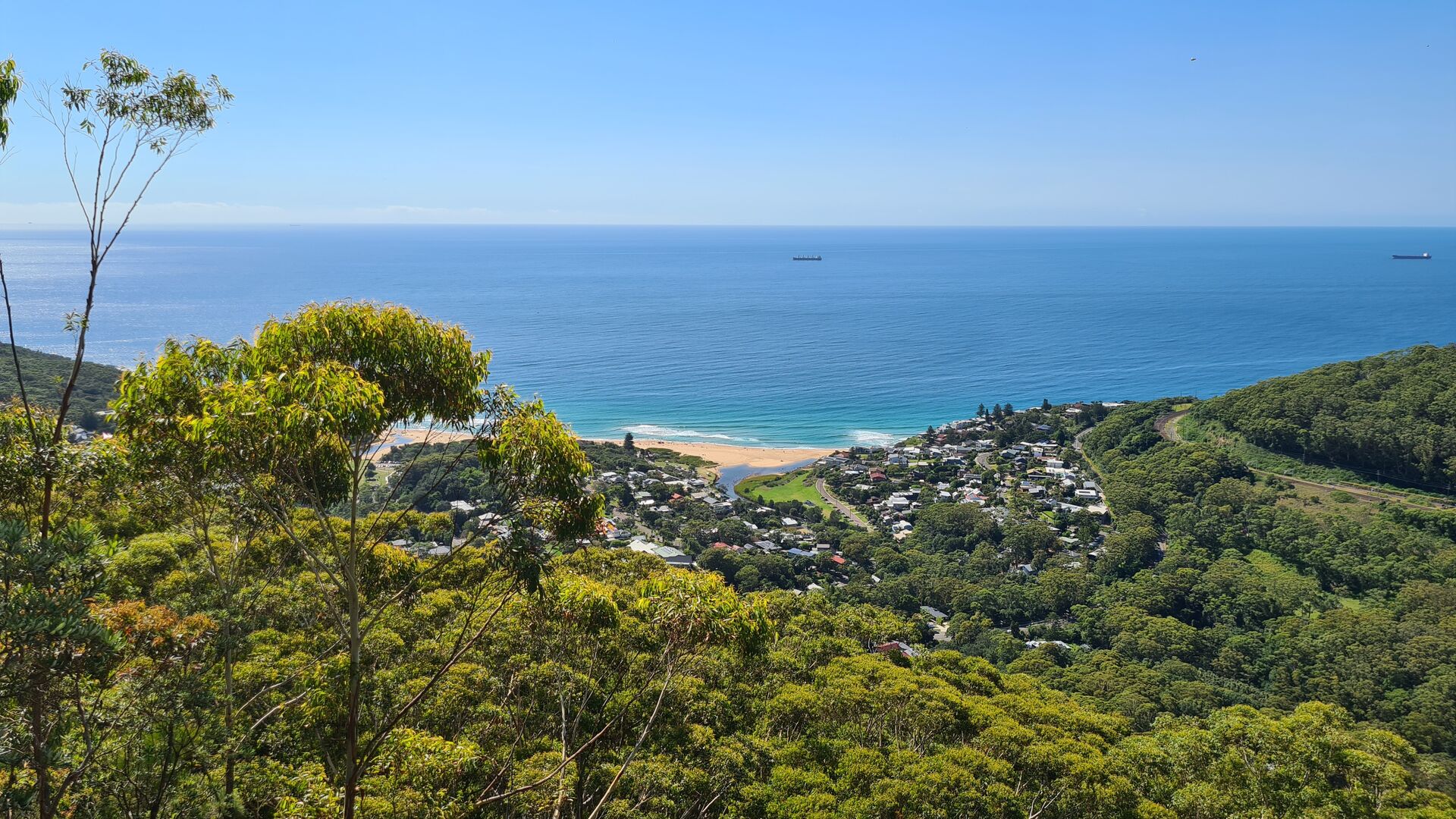
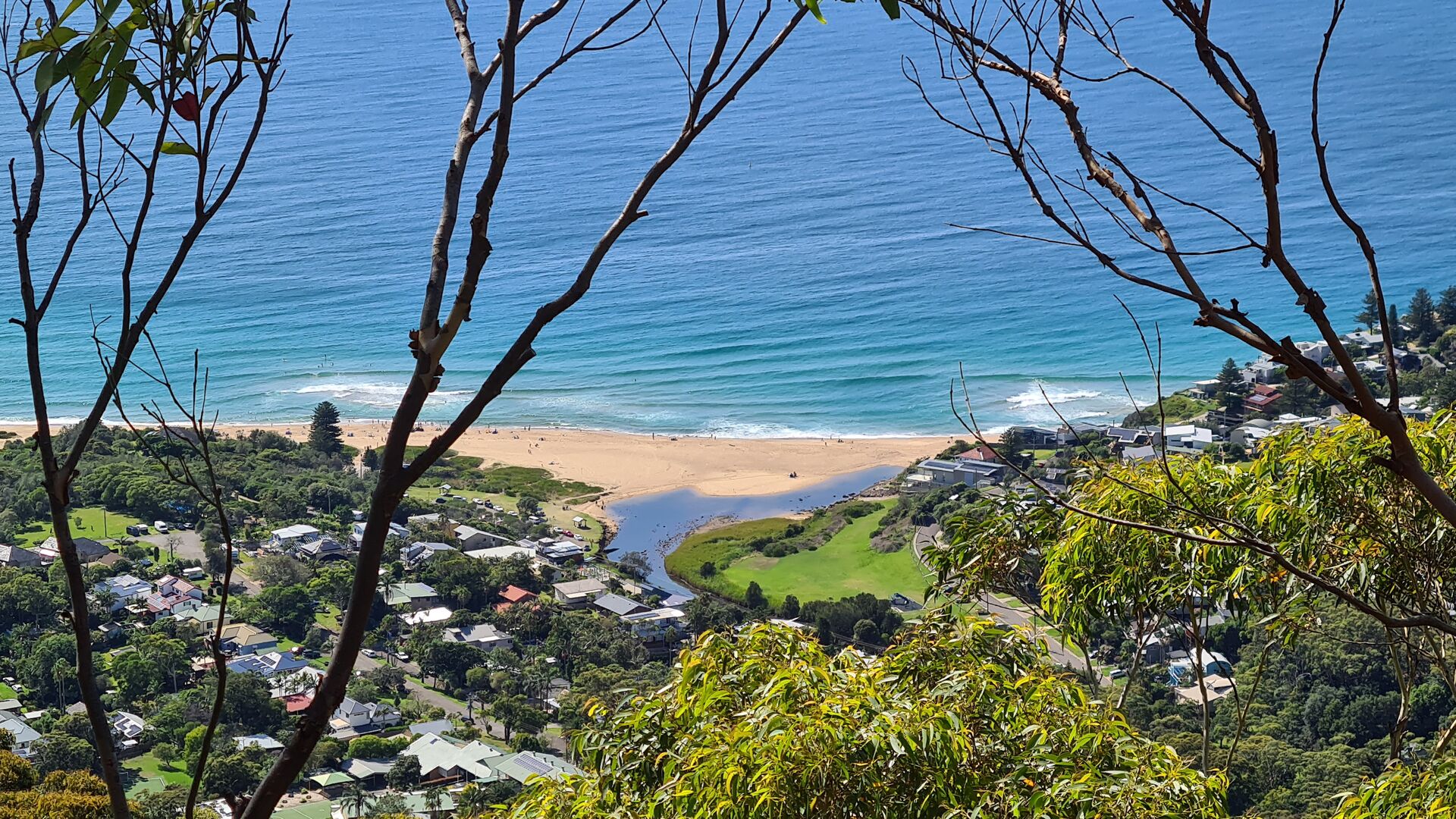
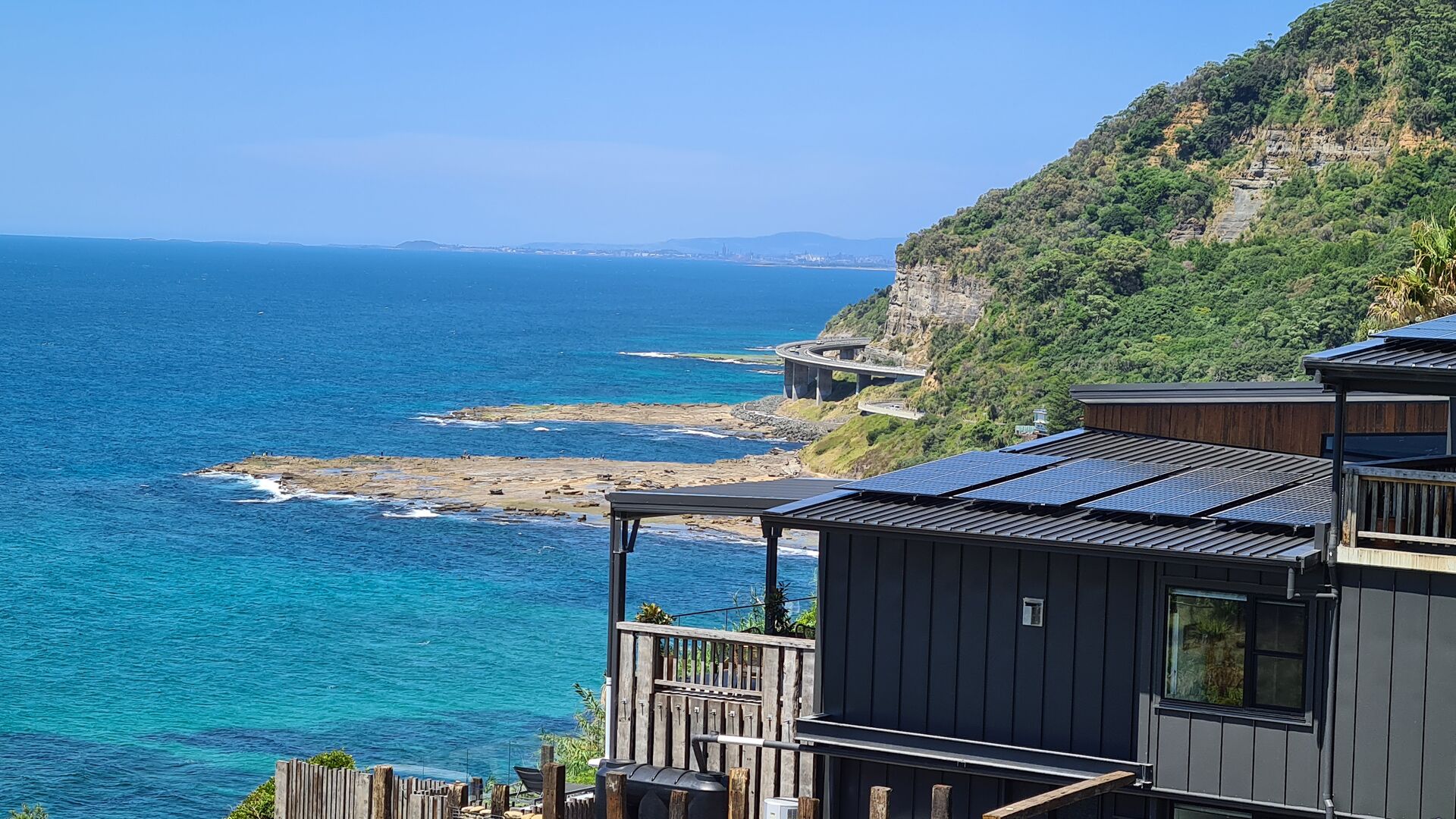
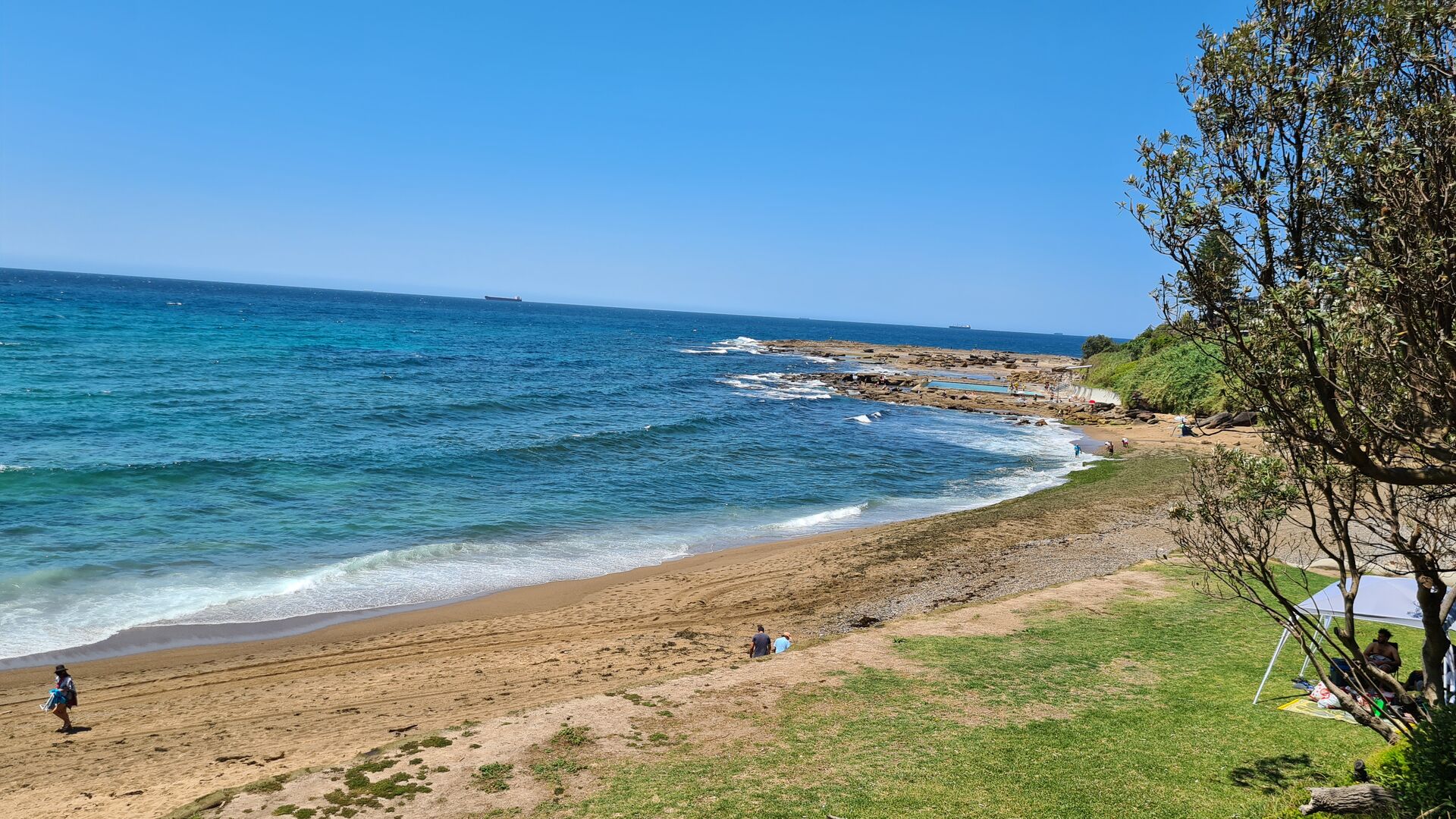
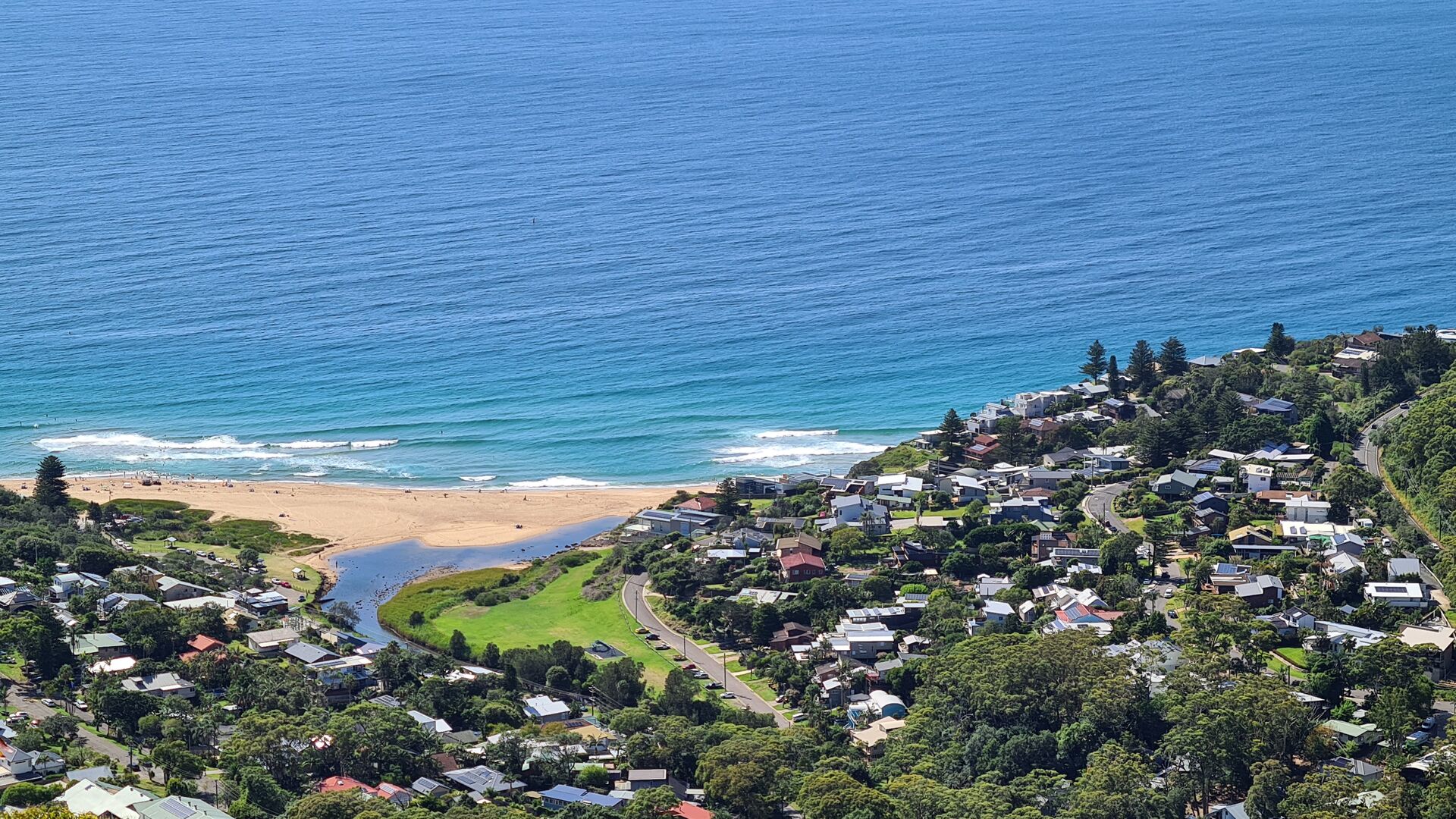
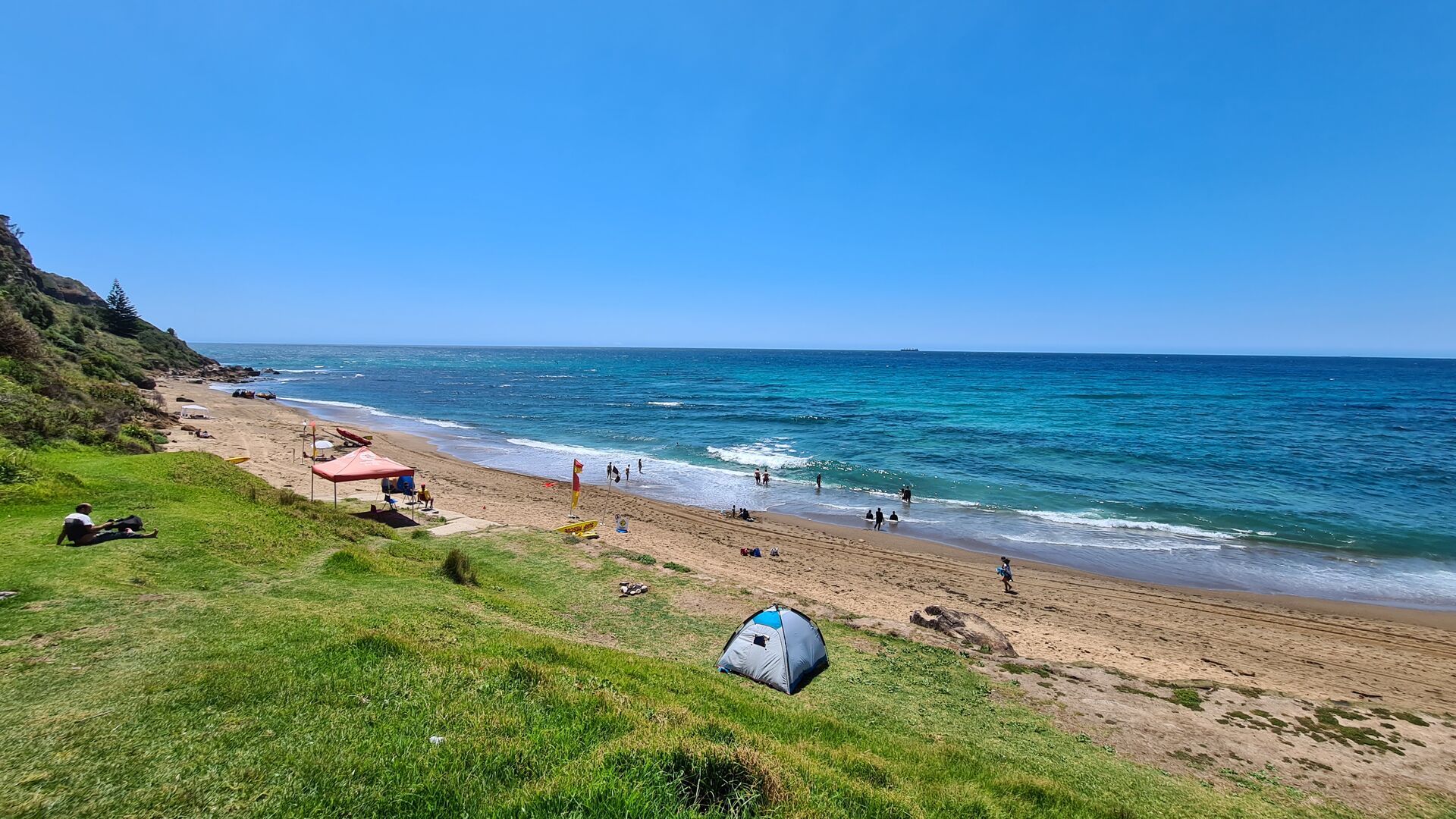
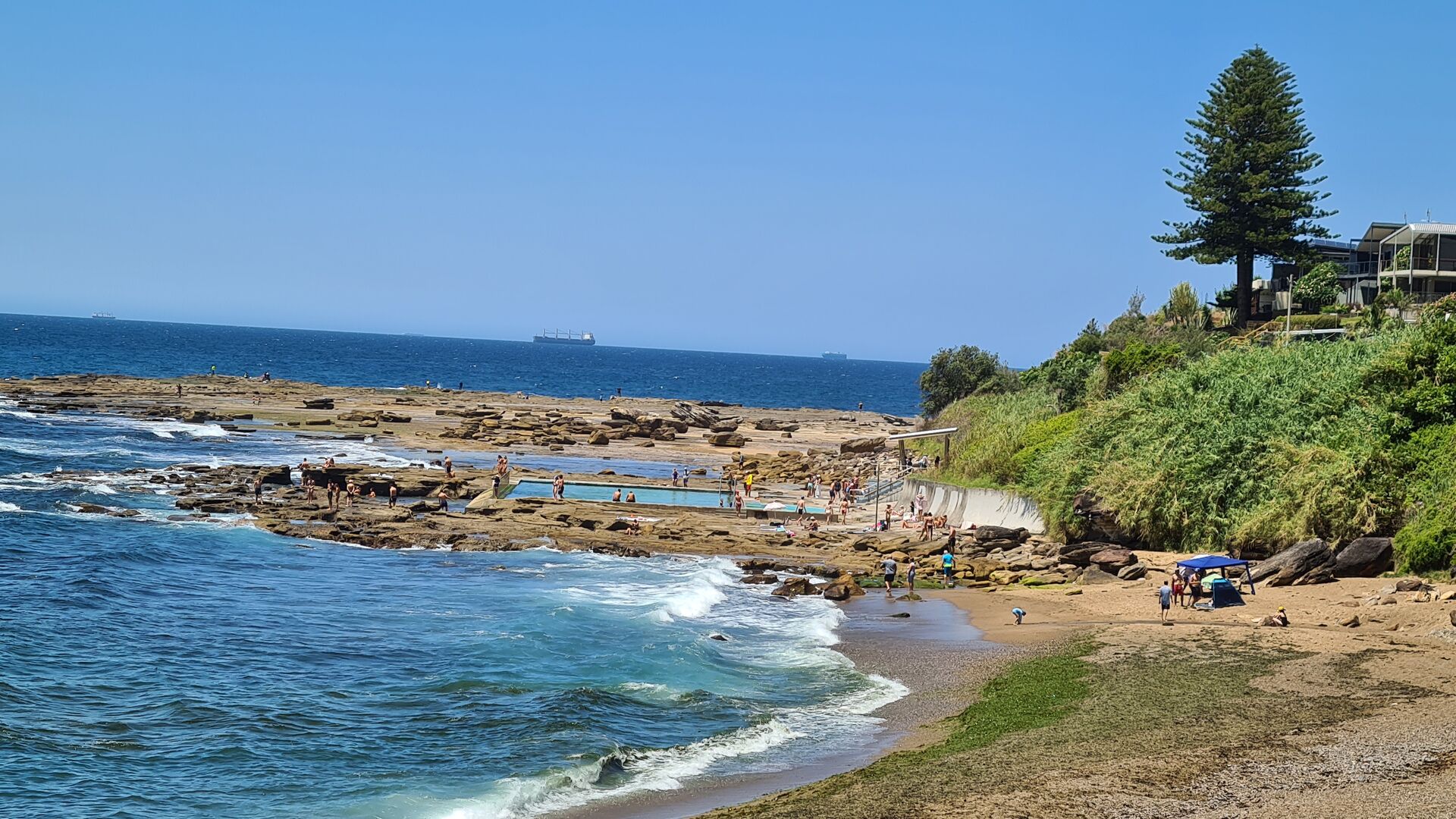
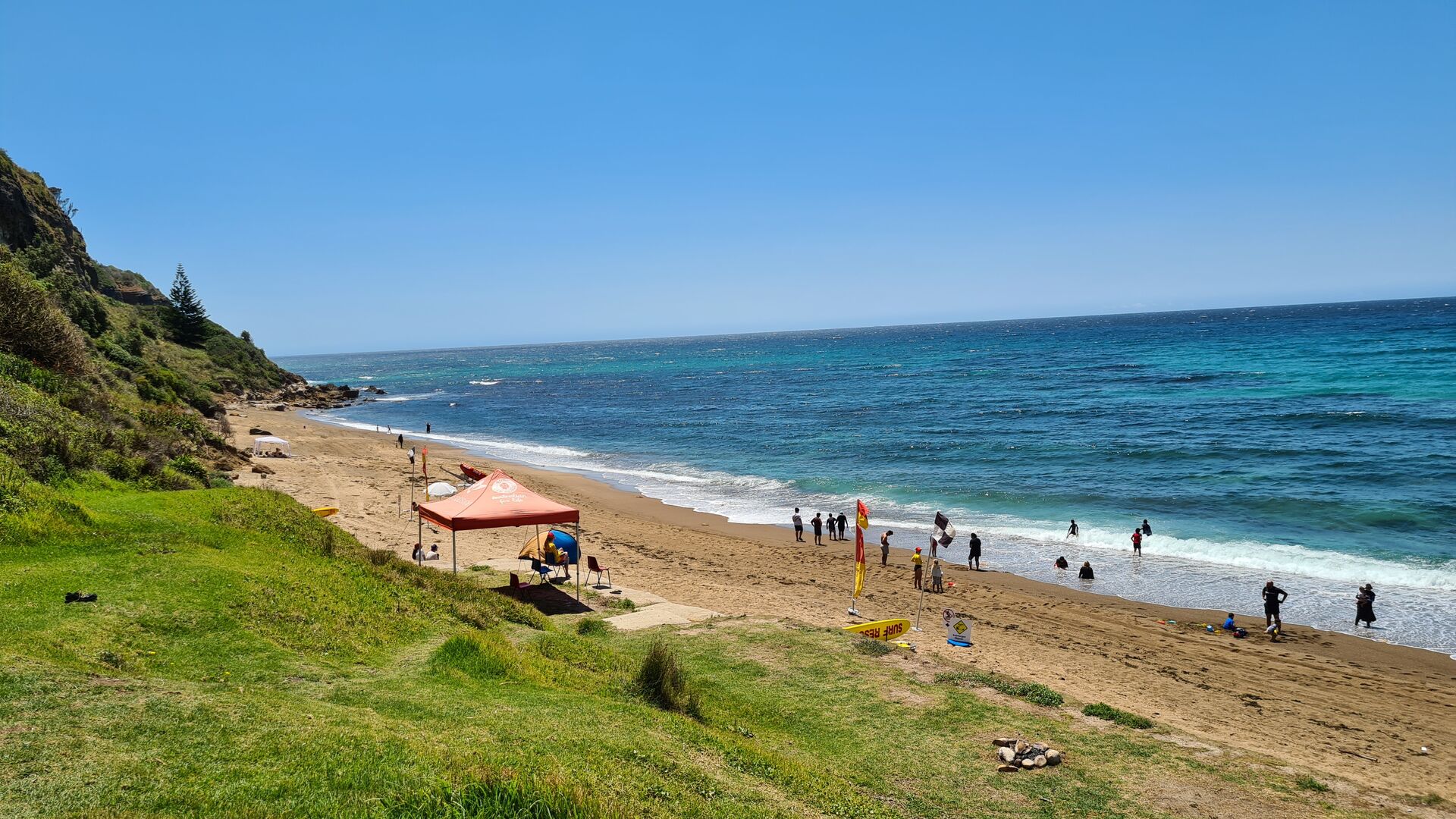
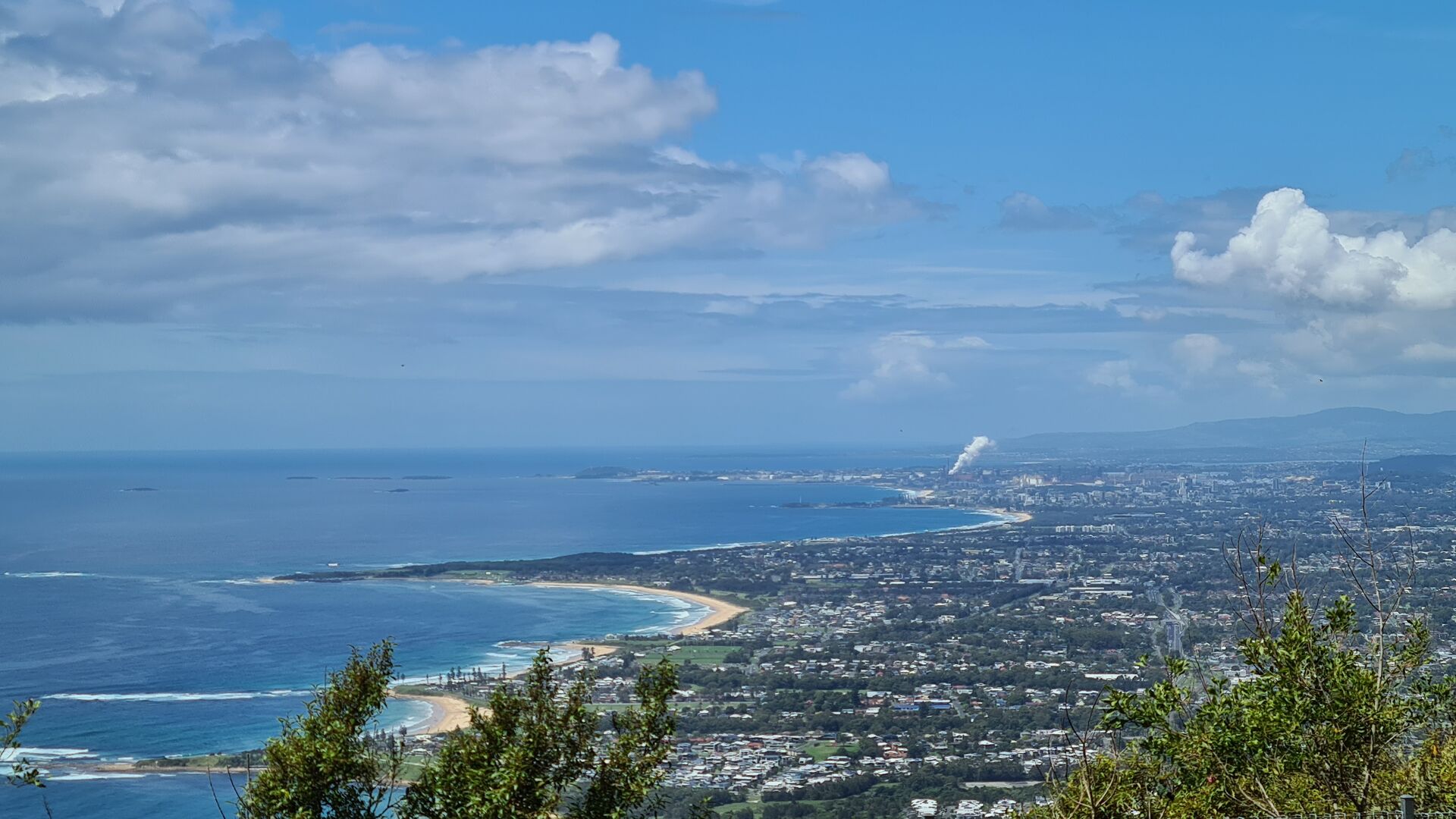
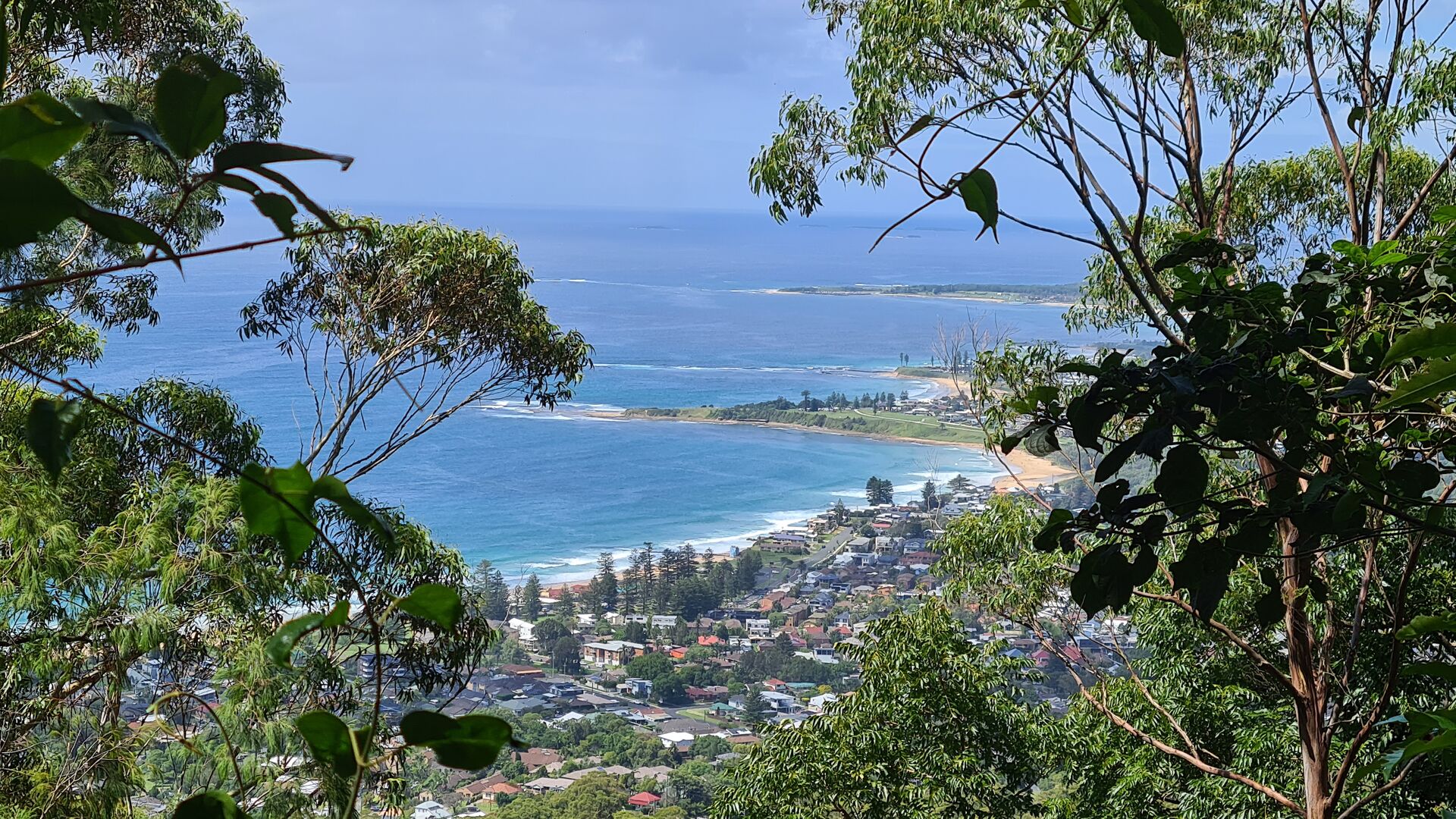
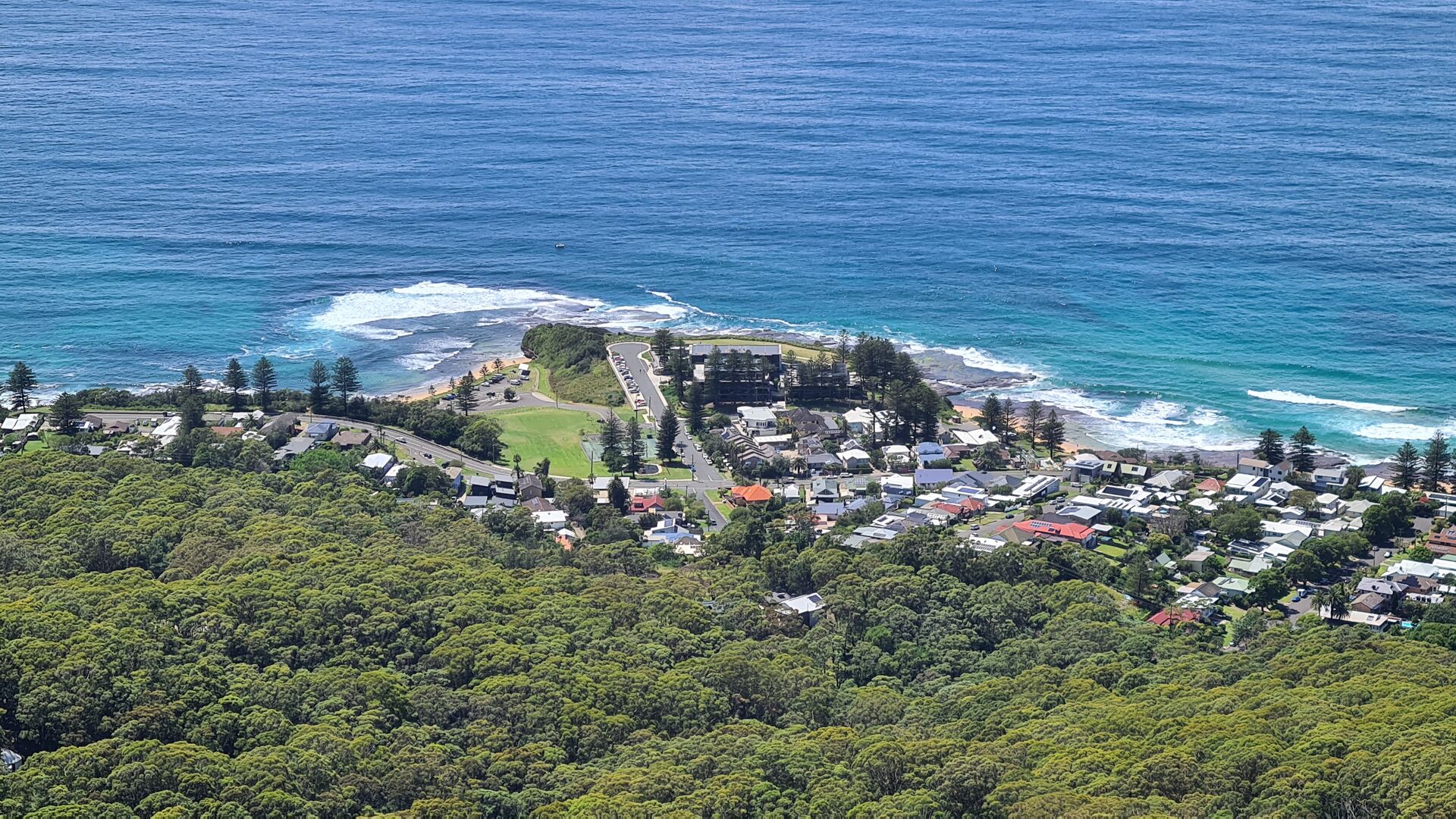
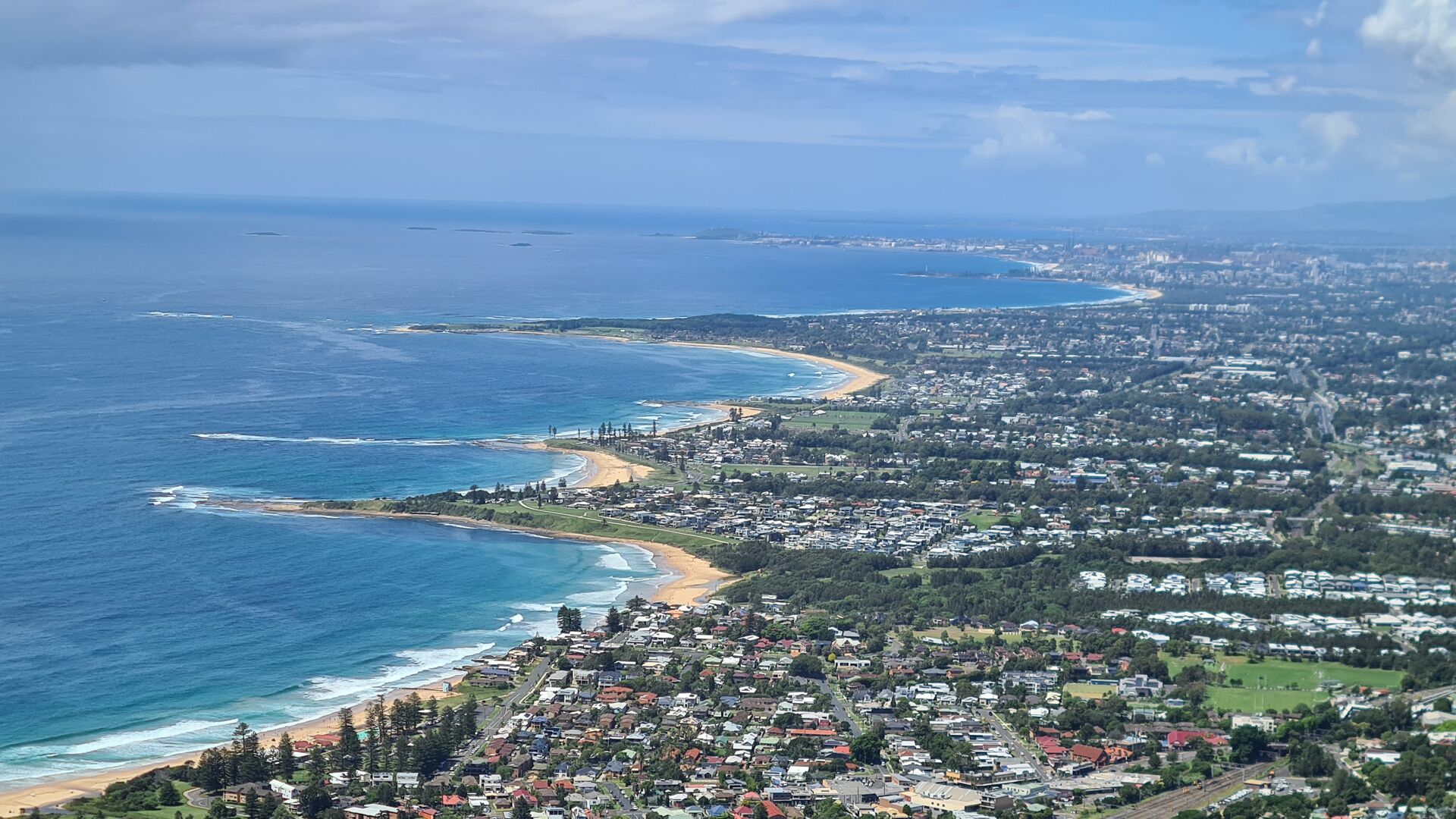
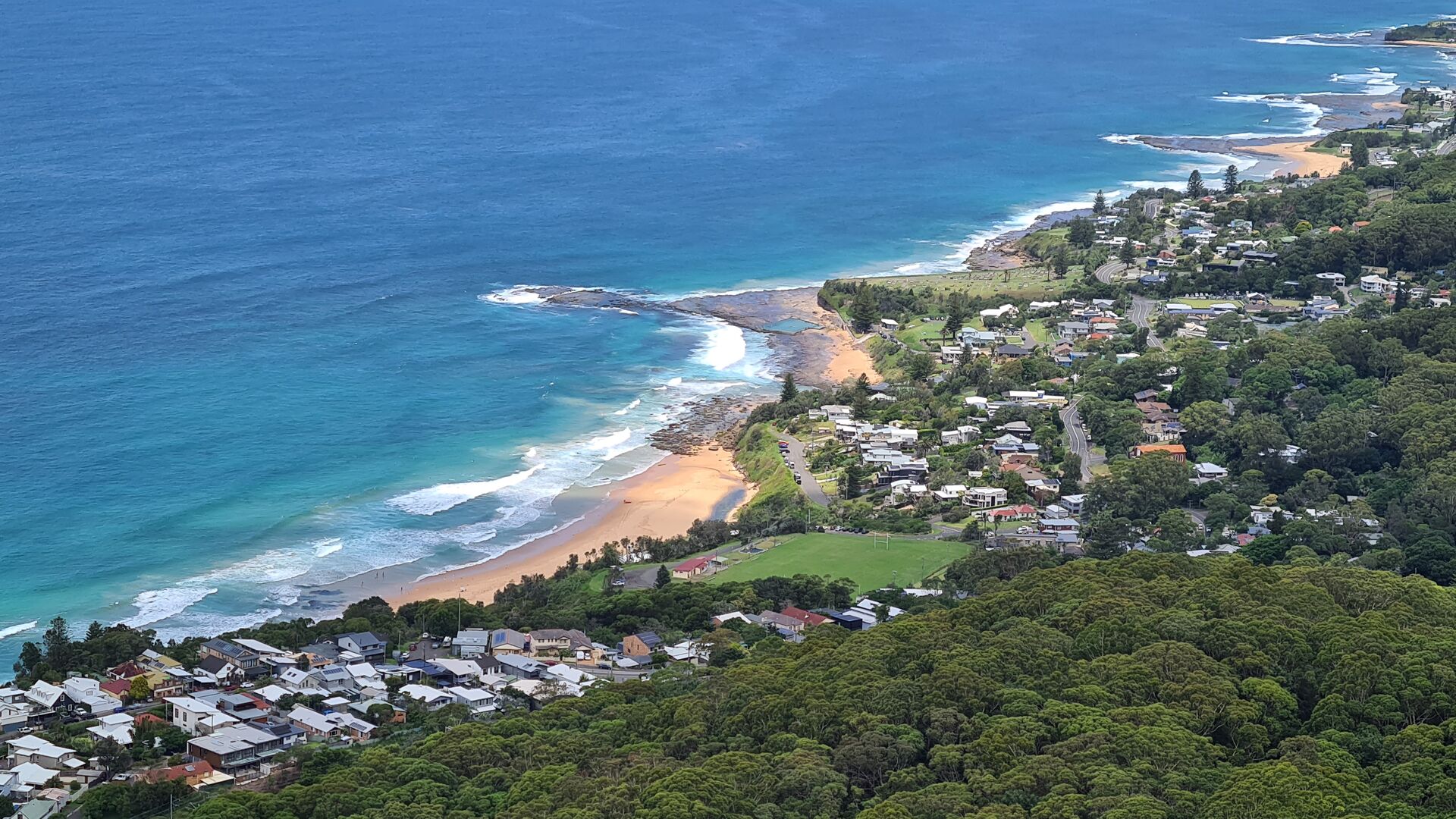
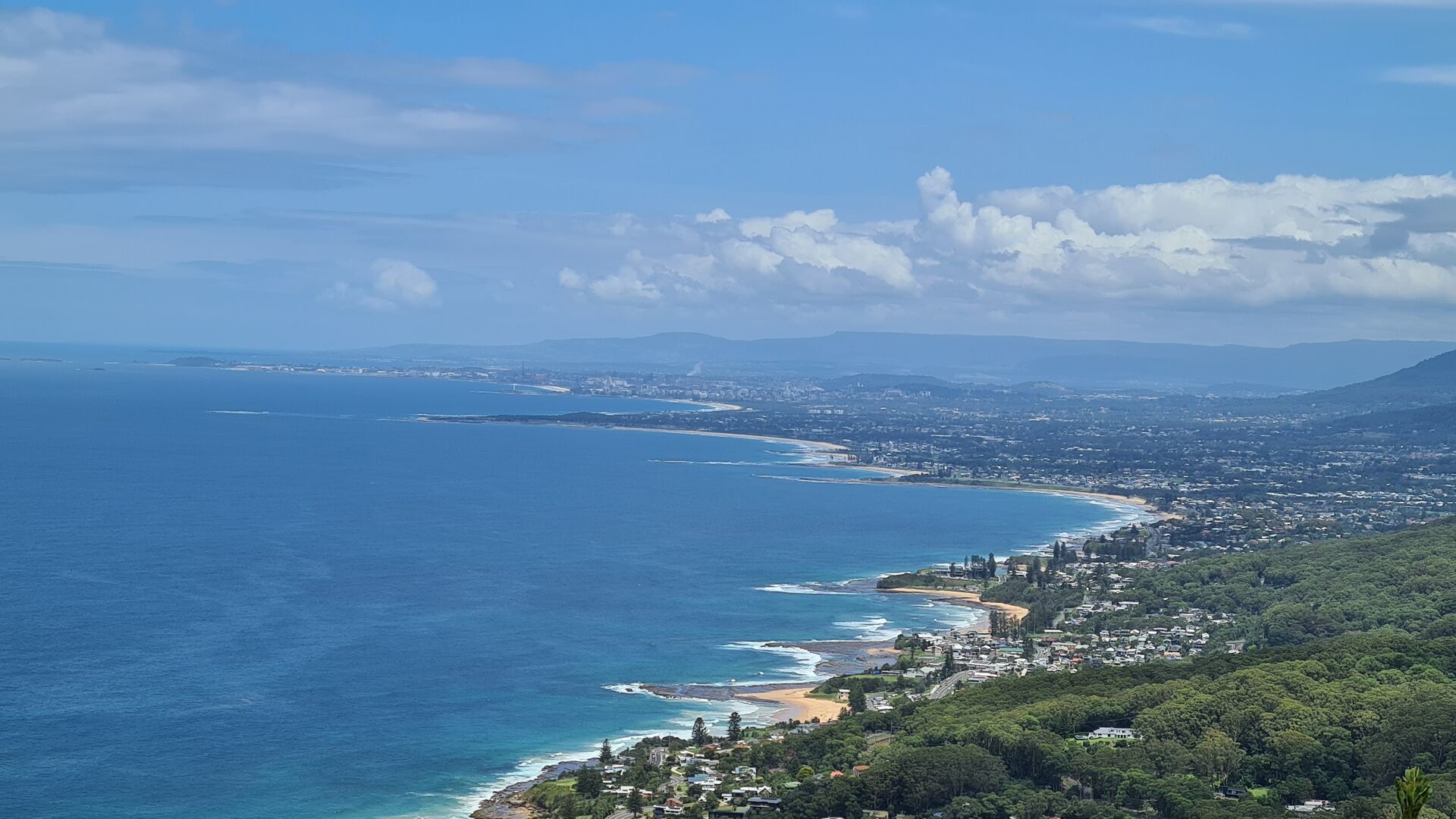
The city’s coastline extends north and south of the harbour entrance, featuring long sandy beaches, rocky headlands, and ocean pools. Beaches such as Bondi, Manly, and Coogee are integrated into daily urban life and form key social and recreational spaces.
Marine environments around Sydney support diverse wildlife, including fish, seabirds, and migrating whales. Coastal national parks and marine reserves protect sections of shoreline and underwater habitats.
Urban Structure and Lifestyle
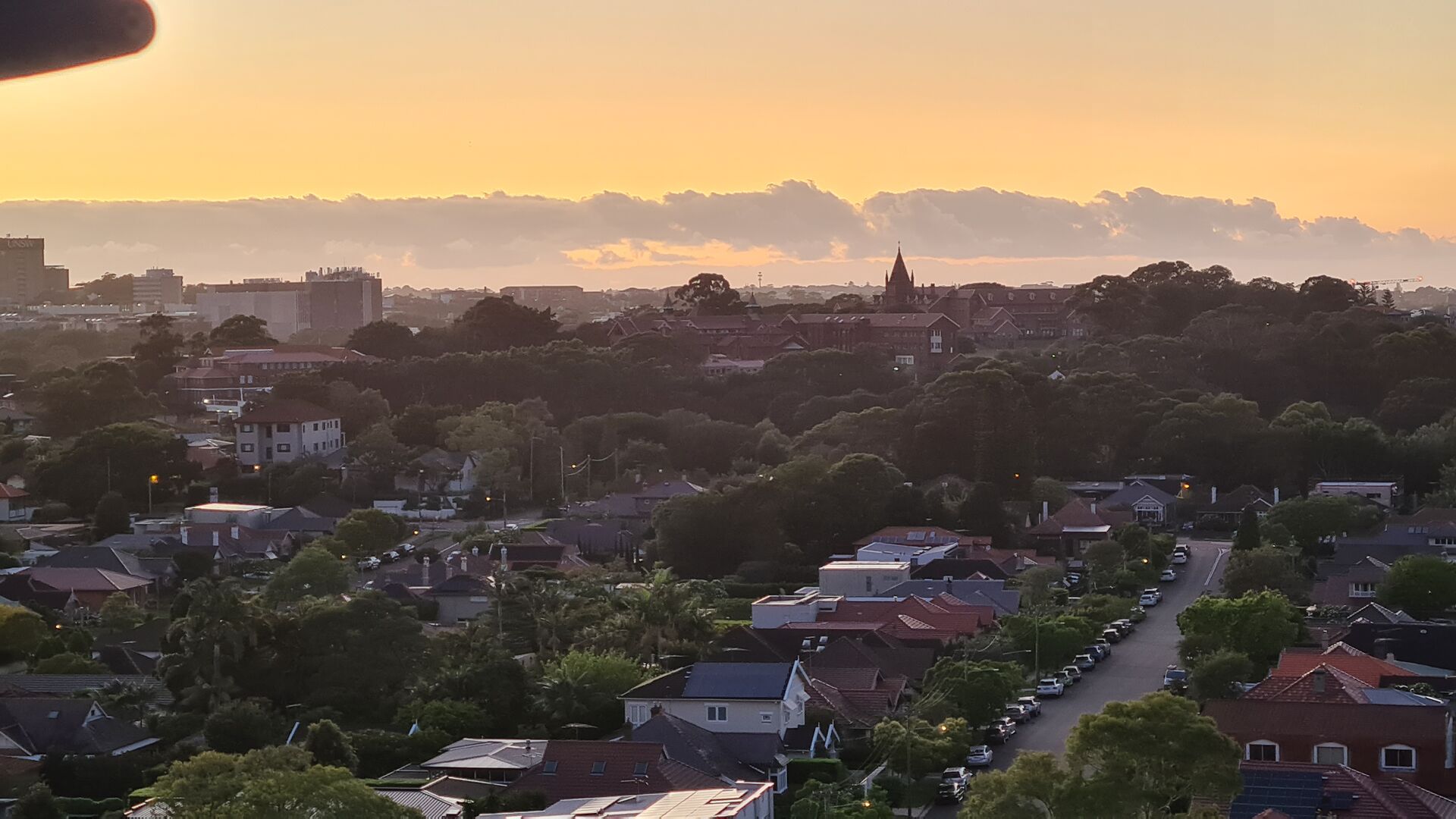
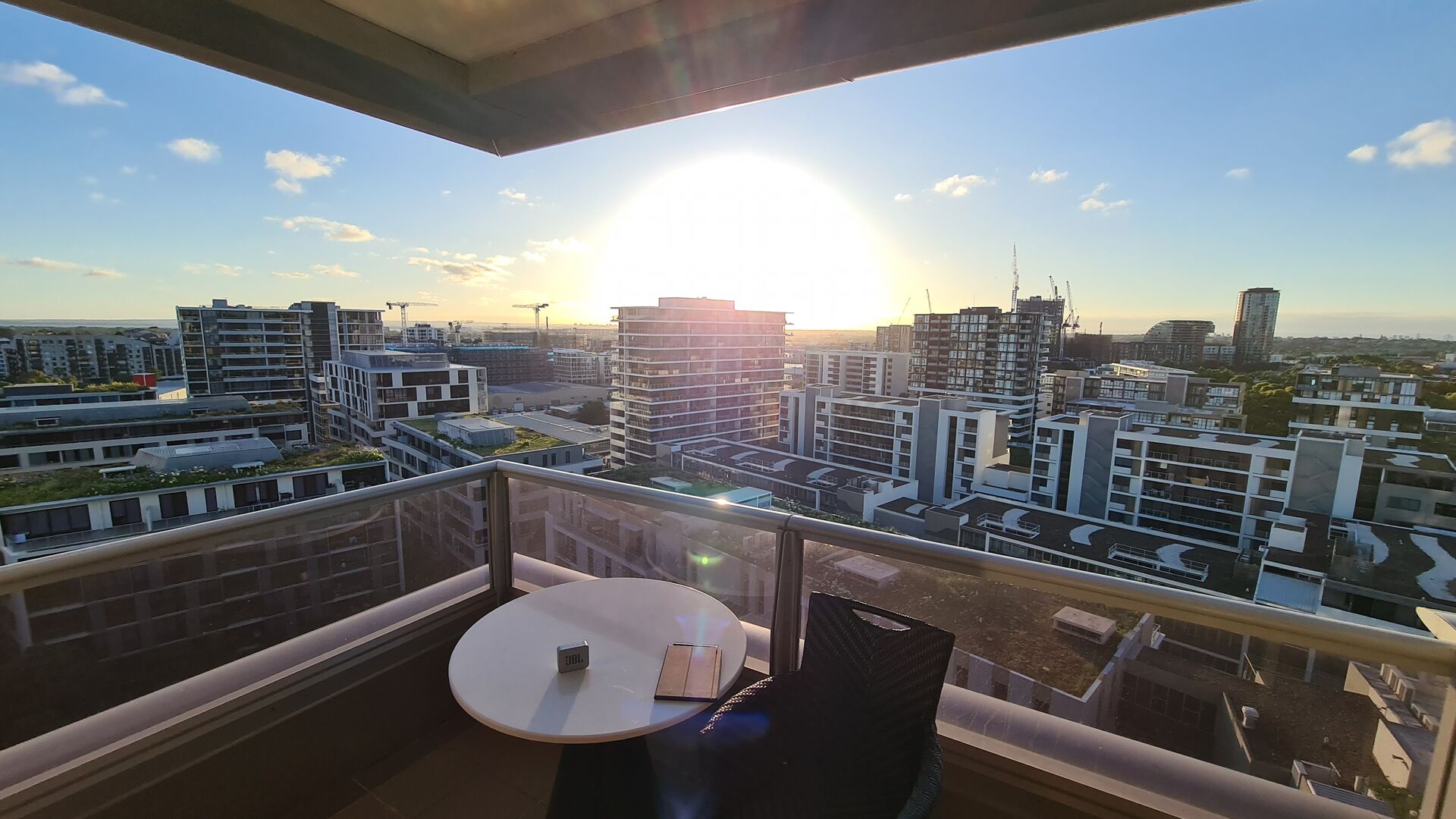
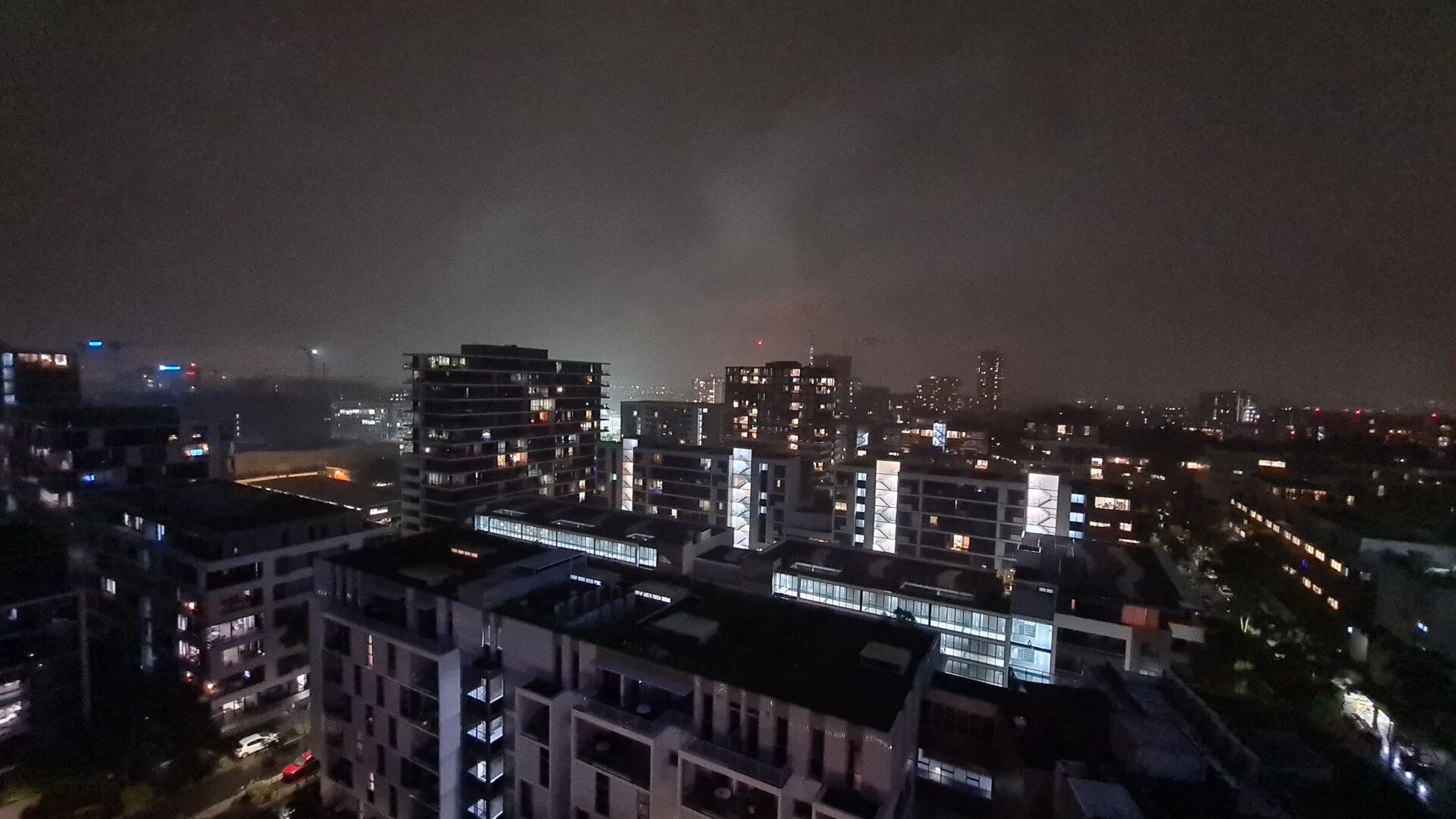
Sydney is a polycentric city, with a central business district surrounded by diverse suburbs and secondary centers. Residential areas range from dense inner-city neighborhoods to low-density suburban zones extending far inland.
The city’s lifestyle is strongly shaped by climate and geography. Outdoor dining, coastal walks, water sports, and parklands are central to daily life. Public spaces along the harbour and coast are heavily used for recreation and social activities.
Sydney is also a major cultural center, hosting museums, performing arts venues, universities, and international events. Its economy is driven by finance, technology, tourism, education, creative industries, and international trade.
Transport and Connectivity
Sydney is Australia’s most important international transport hub. Sydney Airport handles the majority of the country’s international passenger traffic and connects Australia to Europe, Asia, the Americas, and the Pacific.
Within the city, transport includes trains, buses, ferries, and expanding light rail and metro systems. Ferries play a unique role in Sydney, serving as both public transport and scenic travel across the harbour.
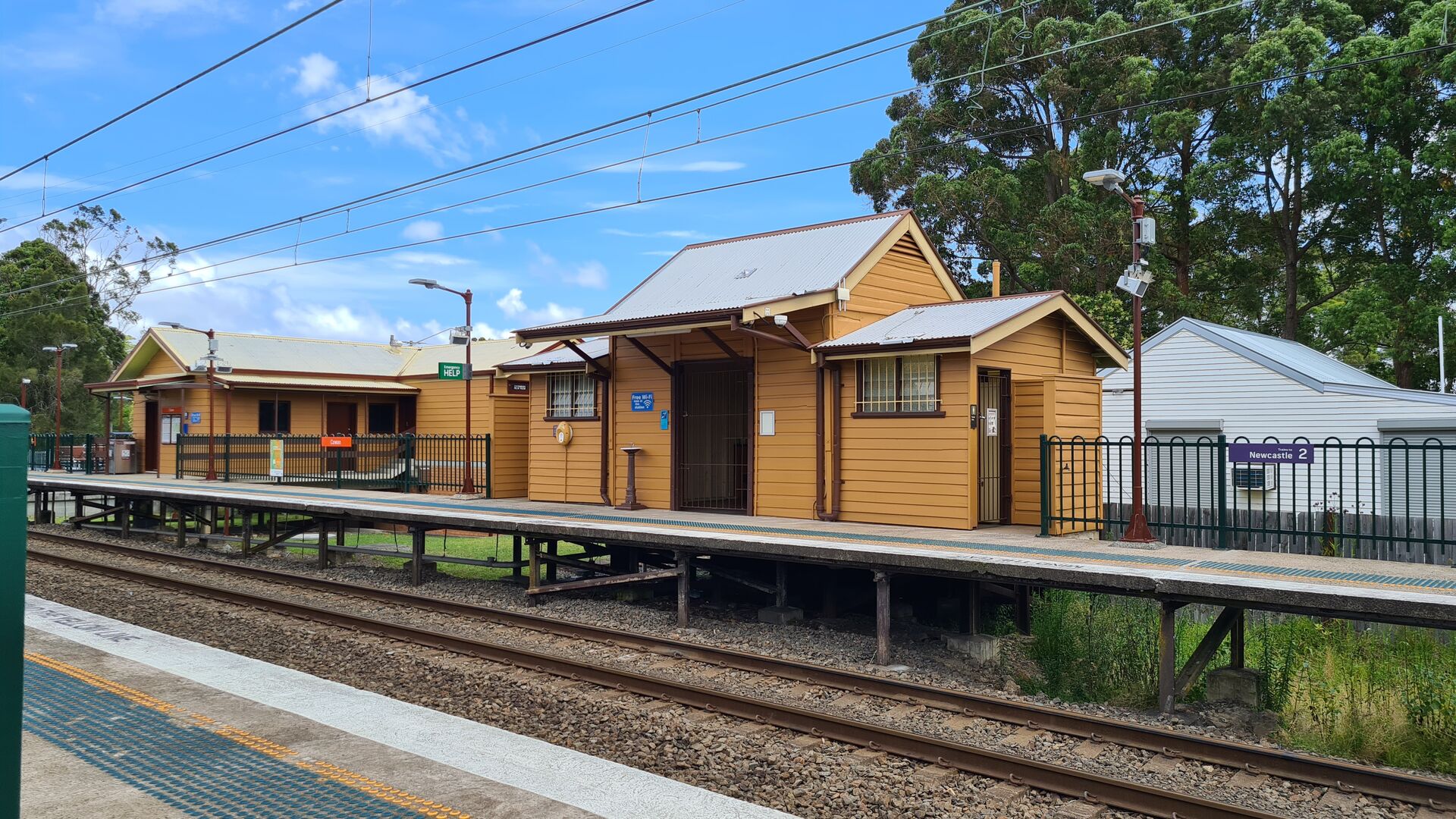
Major highways and rail lines connect Sydney to other Australian cities and regional centers, reinforcing its role as a national gateway.
Experience and Character
Sydney combines natural beauty with urban intensity. Few cities offer such immediate access to beaches, harbours, and national parks alongside a dense metropolitan environment. This balance shapes Sydney’s identity and global appeal.
Australia as a whole is often perceived through the lens of Sydney’s imagery: harbour views, beaches, outdoor lifestyle, and multicultural society. While the country is vast and diverse, Sydney remains its most visible urban symbol and a primary entry point for international visitors.